Reading the Peloton on the Col du Tourmalet: What the Bike’s Silhouette…
The Col du Tourmalet is one of the Tour de France’s most iconic passes, repeatedly used as a decisive climb in stage design. When a peloton snakes up or hurtles down its slopes, the group’s silhouette is more than a scenic image: it is a live graphic of design choices and regulatory realities. The way frames, wheels, handlebars and riders present themselves against the Pyrenean sky illustrates how teams balance pure efficiency with three-week durability, how stiffness and compliance are traded off for control, and how aerodynamics is packaged without compromising safety on high-speed descents.
FIRST READING OF THE BIKE
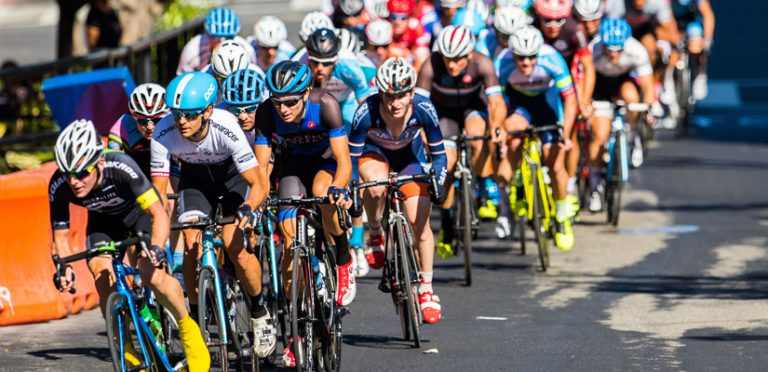
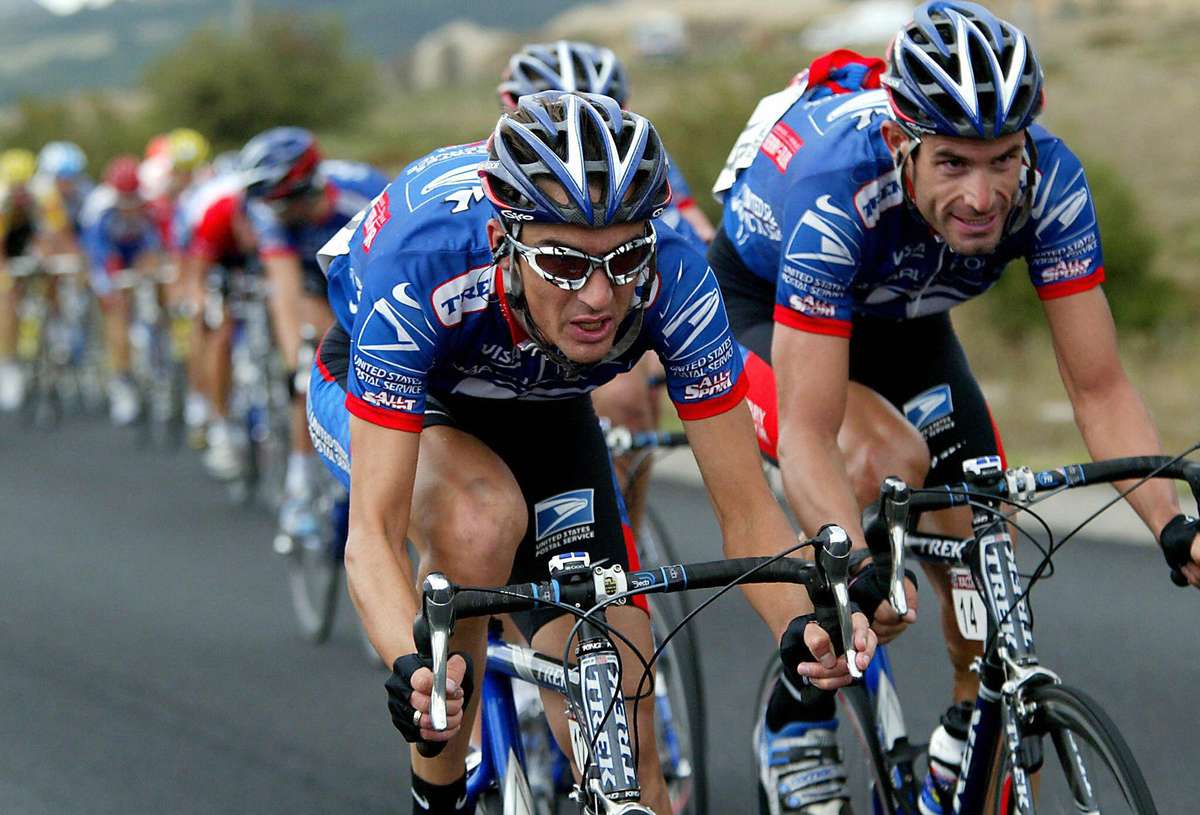
At first glance on Tourmalet slopes the peloton divides into readable cues. Riders clustered tightly on the lower slopes or stretched out near the summit reveal drafting dynamics, rider coupling and tactical spacing that reflect both human behaviour and machine function. Photographic evidence of pelotons on the Tourmalet enables this silhouette analysis: frame shapes, wheel depths and handlebar profiles become shorthand for the platform's intended use. The visible identity of a race bike in that context signals whether it was optimised toward climbing efficiency, all-round stability, or a compromise intended for stage-race resilience.
FRAME LOGIC, WEIGHT, AND STIFFNESS
Underlying every visible bike silhouette is a design trade-off between lateral stiffness and vertical compliance. Higher lateral stiffness delivers crisper power transfer and responsiveness—qualities you can infer in riders who accelerate aggressively on steeper ramps or respond to attacks. Vertical compliance, meanwhile, matters for comfort and control over long, rough stages: it reduces rider fatigue and helps maintain traction when the road surface is imperfect. On the Tourmalet, where climbs are sustained and descents demanding, the frame’s structural priorities show up in posture, sprinting off the saddle, and the steadiness of the group—evidence that teams select platforms which balance those competing demands for three-week performance rather than chase single-stage marginal gains.
AERODYNAMICS AND FREE SPEED
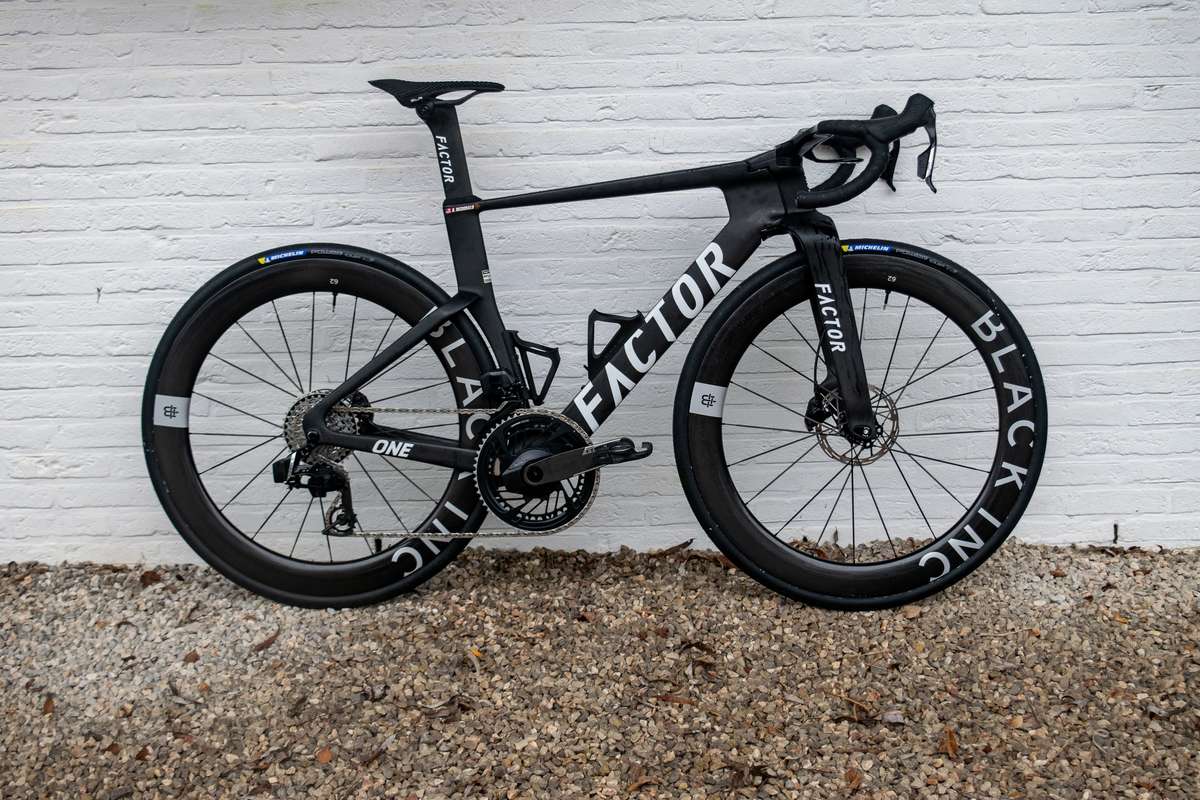
Aero packaging is visible in wheel and frame outlines within the peloton silhouette. Teams pursue aerodynamic gains where they matter—on flats, rolling approaches and on fast descents—but the Tourmalet forces a realistic assessment of where aero helps and where it becomes a liability. UCI technical regulations and subsequent clarifications influence that visual language: dimensions of handlebars, frames and wheels are limited for safety and fairness, which in turn shapes how much aerodynamic optimisation appears in race-line silhouettes. The result is a fleet of bikes that aim to preserve free-speed benefits while respecting rules intended to protect stability at high speed and in crosswinds.
CLIMBING RESPONSE AND ACCELERATION FEEL
On steep ramps the peloton’s spacing and riders’ positions expose how bikes react to changing gradients. A platform emphasising efficient power transfer will show riders accelerating crisply and maintaining rhythm when they stand briefly out of the saddle; a more comfort-biased frame will help riders hold the saddle longer with less wasted motion. Because the Tourmalet is frequently decisive, observable climbing responses are revealing: they show whether a bike’s geometry and stiffness support repeated accelerations and tempo riding across a long climb—critical for stage-race usage rather than a one-off hill sprint optimisation.
Close-up of bike frame angles on steep gradient
WHEELS, TYRES, BRAKES, AND ROAD CONTACT
The point where machine meets tarmac defines control. Wheel and rim depth choices are part technical decision and part regulatory consequence: recent rule debates and clarifications around wheel depth respond to stability concerns on descents and in crosswinds. Those debates are reflected in peloton silhouettes where teams select wheels that balance aerodynamic benefit with predictable handling. Tyre choice influences rolling resistance and comfort; braking packages—caliper or disc configurations—affect modulation and confidence on the long, often-technical Tourmalet descents. Together these choices determine how riders hold lines, control gaps and react to phase oscillations within the group.
GEARING, FIT, AND RIDER INTERACTION
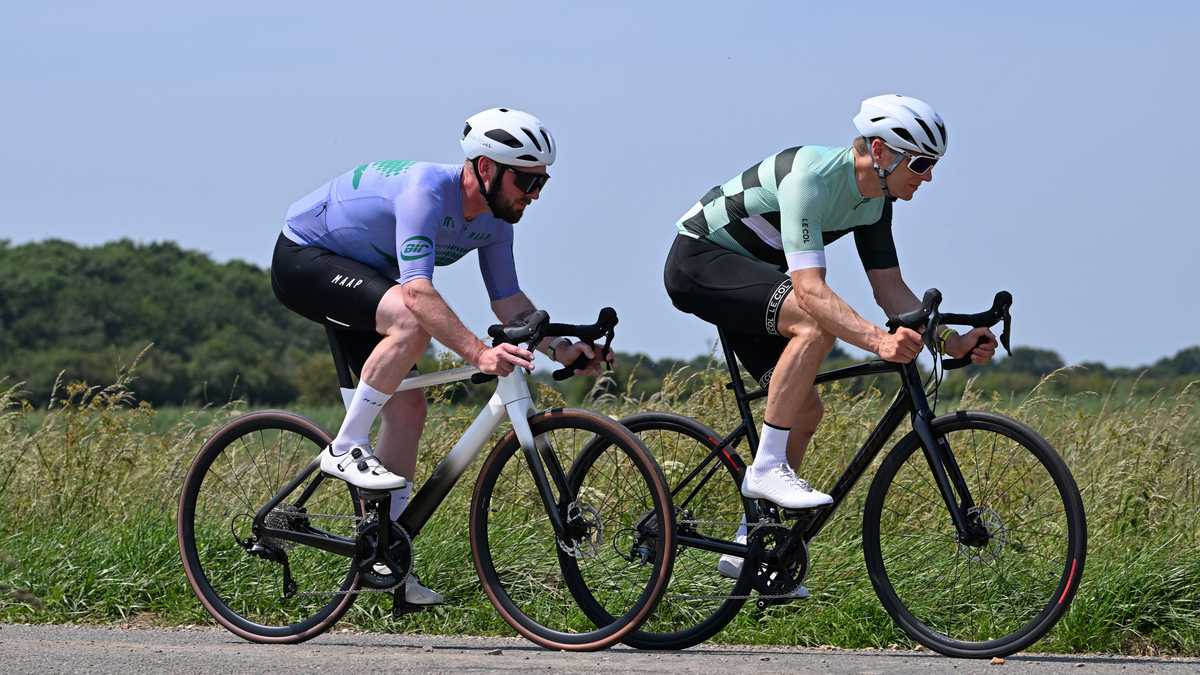
Gearing and fit are the human interface with the machine and show up in the climb’s visual patterns. Transmission choices must support repeated surges and long tempo climbs; fit and posture determine whether a rider can exploit frame stiffness or needs compliance to protect endurance. In a peloton climbing the Tourmalet, riders’ positions—how often they stand, where hands sit on the bars and how compact the group remains—offer clues about how ergonomics and gearing are tuned for three-week survivability rather than a single explosive effort.
TOUR CONTEXT AND EQUIPMENT COMPROMISE
The silhouette on the Tourmalet is a record of compromise. UCI regulations, safety-driven wheel-depth guidance, and the realities of a three-week race push teams toward bikes that are all-rounders: sufficiently light and efficient for long climbs, stiff and responsive enough for accelerations, but compliant and stable enough to preserve riders across successive hard days. The peloton’s formation—how compact it stays, who rides at the front and how equipment clusters by team—reflects those constraints and the tactical choices that follow.
WHY THIS BIKE MATTERS
Reading the peloton’s silhouette on the Col du Tourmalet is a way of understanding modern road-race bicycle design in action. The visible interplay of frame shapes, wheel profiles and rider position encodes compromises between lateral stiffness and vertical comfort, between aerodynamic ambition and descending stability, and between single-stage marginal gains and stage-race durability. For any fan or designer watching those images, the lesson is clear: the machine’s true meaning is revealed in real race conditions, where regulatory rules, terrain and human tactics combine to make certain design choices both necessary and telling.
Sources: verified studies and technical clarifications on peloton dynamics, frame stiffness vs compliance, UCI technical regulations and public photographic evidence of pelotons on the Col du Tourmalet.
Author: Eric M.
Share this page
Further reading
Continue exploring this topic
Discover related articles selected automatically from the same site.