Tour de France Bikes: How the Pro Peloton Shaped the Road-Race Platform
The history of Tour de France bikes is the clearest line through modern road-race technology: frames, components and purpose evolving as pro teams chased weight savings, stiffness and aerodynamic gain. This piece links the material and component shifts that appeared in the Tour peloton to the practical demands of stage racing and time trials.
Editorial summary
The Tour has been the laboratory where frame materials, aerodynamic thinking and component systems moved from experiment to mainstream; the race’s requirements — climbing weight, sustained flat speed and decisive time trials — shaped which innovations stuck.
What you will learn here
- How frame materials progressed and why each change mattered for racing.
- Which aerodynamic and component revolutions were driven by Tour needs.
- How the bike’s role in the peloton and in time trials evolved with tech.
How the platform begins: steel and the demands of early racing
Tour bicycles began in a world where steel was the default material: robust, repairable and familiar to mechanics and riders. Early race bikes were single-speed or offered only rudimentary gear ranges compared with modern standards. Steel’s strength and predictable behaviour made it the practical choice for riders facing long stages over poor roads and with limited roadside support. For decades, steel frames remained dominant among Tour winners and peloton workhorses because their advantages matched the race’s realities.
Transition to aluminium and titanium: lightweight experiments
Late in the 20th century, aluminium and titanium entered pro racing as builders sought lighter, stiffer frames. These materials offered weight and handling differences that appealed to climbers and stage-race contenders. The verified record shows that aluminium and titanium frames were adopted in the peloton during this period, marking the first material shift away from ubiquitous steel among top-level teams.
Carbon adoption and the new design freedoms
Carbon-fibre began appearing in the Tour peloton from the late 1980s and early 1990s and then spread rapidly. Carbon’s genomic advantage was not just lower weight but the ability to shape tubes and laminate fibres to produce stiffness where needed and compliance elsewhere. That allowed designers to pursue both weight savings and aerodynamic shaping simultaneously. By the 1990s carbon frames were common in WorldTour-level equipment, giving teams tangible gains in stiffness-to-weight ratio and opportunities for integrated, aerodynamic designs.
Aerodynamic revolutions: time-trial tech and road integration
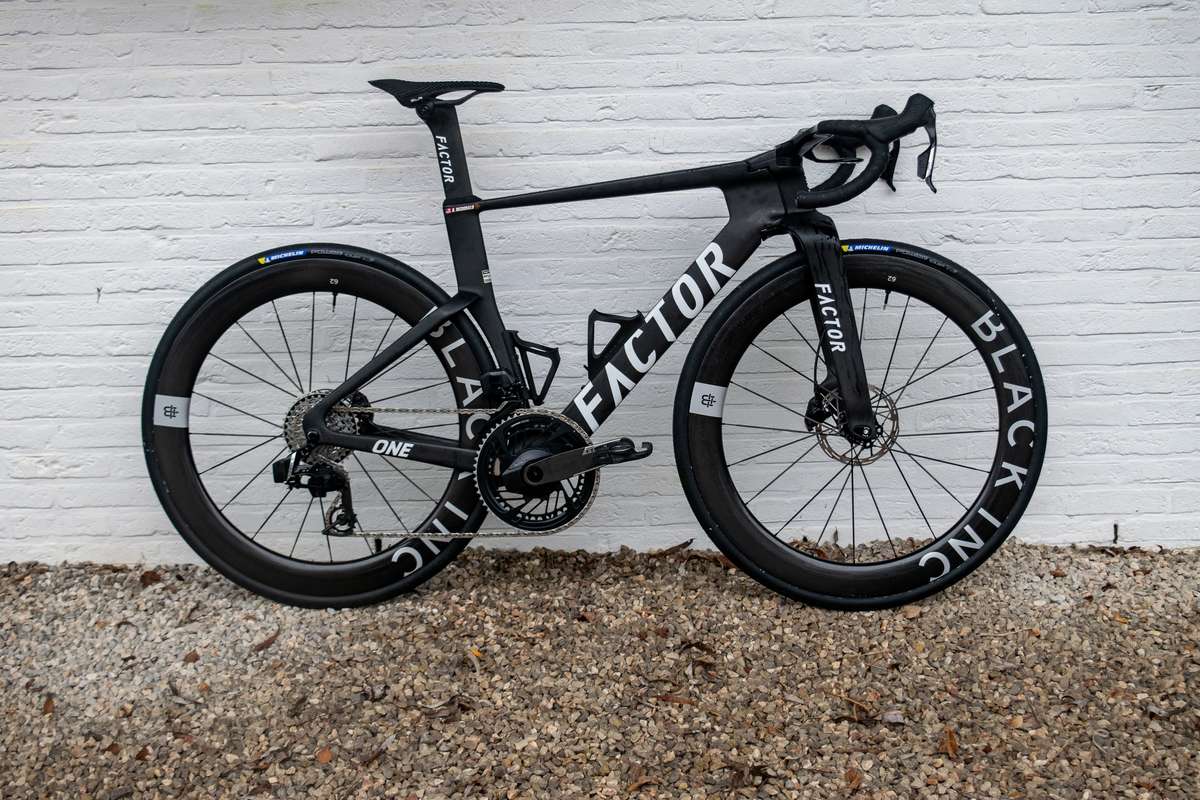
Time-trial innovations — aero bars, disc wheels and aerodynamic helmets — had an outsized influence on how race bikes evolved. The Tour’s high-stakes time trials created immediate incentives to adopt anything that produced measurable seconds over long efforts. Aero bars and disc wheels became mainstream in TTs from the mid-1980s onward, and the success of aerodynamic kit in decisive stages accelerated the trickle-down of aero thinking into road frames: shaped tube profiles, integrated cockpits and internal routing followed because the peloton rewarded gains in sustained speed.
Component eras: gearing, electronic shifting and wheel tech
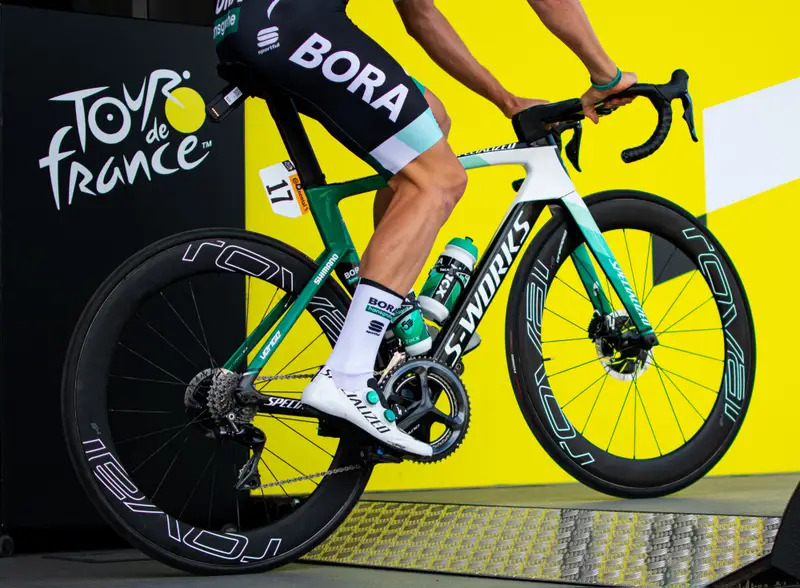
Groupset and wheel technology advanced in step with frame materials. Early Tours featured limited gearing; over time sprocket counts expanded and drivetrains became more refined. Electronic shifting was pioneered experimentally in pro racing before becoming commercially available; Shimano’s Di2 (released commercially in 2009) and later wireless systems such as SRAM eTap changed reliability and shifting ergonomics on race bikes. Wheel technology moved from shallow rims to deep-section aero rims and specialized TT combinations; disk wheels were mainstream in time trials from the mid-1980s and deep sections became common across flat and rolling stages as aero gains proved decisive.
Disc brakes and modern safety/performance trade-offs
Disc brakes were trialed and then gradually introduced into professional road racing and the Tour-era peloton in the late 2010s. Their rollout required federation-level discussions and UCI trials before teams adopted them broadly, reflecting a cautious, evidence-led process: disc brakes offered consistent braking performance and design integration but needed regulatory and safety validation at the pro level before full acceptance.
Team use and the Tour context
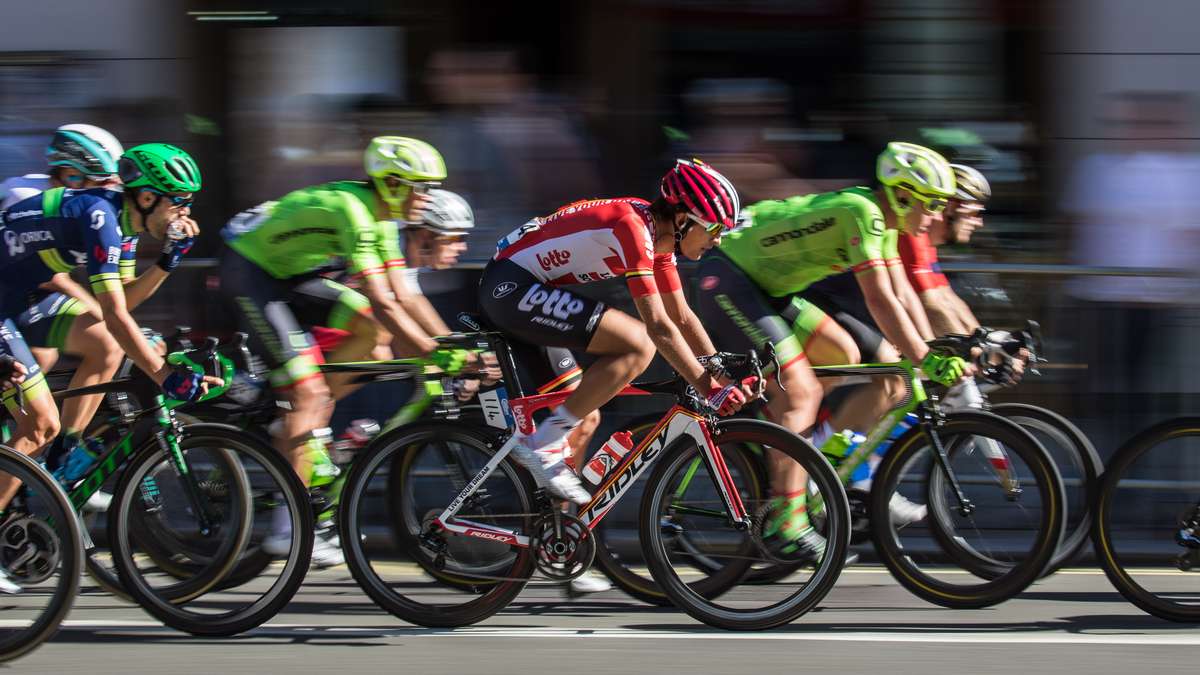
The Tour de France operates as both showcase and proving ground for manufacturers and teams. WorldTour teams have used the race to trial new frame shapes, wheel setups and groupset innovations, because stage-race contexts stress reliability, marginal gains and the variety of terrain. As component makers introduced electronic shifting, wireless systems and new wheel concepts, teams that needed split-second advantages or improved reliability were early adopters, and the visibility of the Tour amplified those innovations’ reputations.
What this evolution reveals about cycling technology
The platform’s arc from steel to carbon, and from mechanical to electronic and disc-braked systems, highlights a broader principle: pro racing demands measurable performance improvements and then filters those gains into production products. Material advances enabled new geometries and integration; aerodynamic lessons from time trials reshaped road frames; component innovations prioritized reliability, ergonomics and marginal speed gains. The Tour’s mixed terrain — climbs, long flats, and time trials — forced versatile solutions rather than single-purpose machines.
How Tour bikes are remembered today
Historic Tour machines are remembered both for their material character and for the moments they helped produce. Steel-era bikes evoke durability and era-appropriate constraints; early aluminium and titanium frames recall an experimental phase; early carbon and aero builds mark the point where design freedom and performance focus changed the sport’s technical baseline. Contemporary discussions about disc brakes, tubeless tyres and 13-speed drivetrains show the Tour still functions as a live crucible for what will become commonplace in the next generation of race bikes.
Why this history still matters
Understanding the evolution of Tour de France bikes explains modern road-bike design logic: choices about materials, aero shaping, integration and components are responses to race demands — weight, stiffness, aerodynamic efficiency and reliability. The Tour’s history is therefore not merely a catalogue of gadgets but the narrative of how practical performance needs steer innovation. For riders, designers and fans, that lineage clarifies why today’s race bikes look and behave the way they do, and why the peloton will continue to be the engine of technical change.
Author: Cynthia D.