How Tour de France Teams Are Built and Operated as Complete Racing Organisations
The Tour de France is decided as much by organisation as by individual talent. A team's value is measured not only by headline names but by its capacity to impose order on the road for three weeks: to protect a leader, control the peloton, manage efforts across terrain, and limit damage under pressure. This article explains, in practical racing terms, what defines a Tour team as a complete racing organisation.
First reading of the team
In race terms a Tour de France team is first defined by its objective. For GC-focused squads that objective centres on a designated leader or potential co-leaders whose programme shapes daily decisions. Other teams may prioritise stage wins or sprint opportunities, but the organising logic still comes down to how the roster is assembled to serve those aims. The competitive identity that matters is therefore operational: which rider(s) the team protects, which roles are filled among the domestiques, and how staff plan to translate collective capacity into control on the road.
Leadership, hierarchy, and rider roles
Teams organise under a clear internal hierarchy whenever possible. A single leader model concentrates resources around one protected rider; alternative models include dual leadership or fluid leadership that can change if form or circumstances demand it. Domestiques form the ecosystem that executes the hierarchy: shielding the leader from wind, fetching food and bottles, pacing on climbs and flats, chasing or joining breakaways, and willingly sacrificing personal chances to conserve the leader’s energy. These role definitions make the team function rather than merely exist on paper.
Race operations and the role of directeurs sportifs
Directeurs sportifs and sports directors translate longer-term plans into in-race decisions. They choreograph stage tactics: when to protect the leader, when to chase a breakaway, when to allow a move to go, and how to allocate domestique effort across a stage. Communication between car and rider is central to keeping the plan coherent under shifting conditions. The sports director’s choices about tempo, resource expenditure and response priorities determine how the team behaves in real time.
Peloton control and stage management
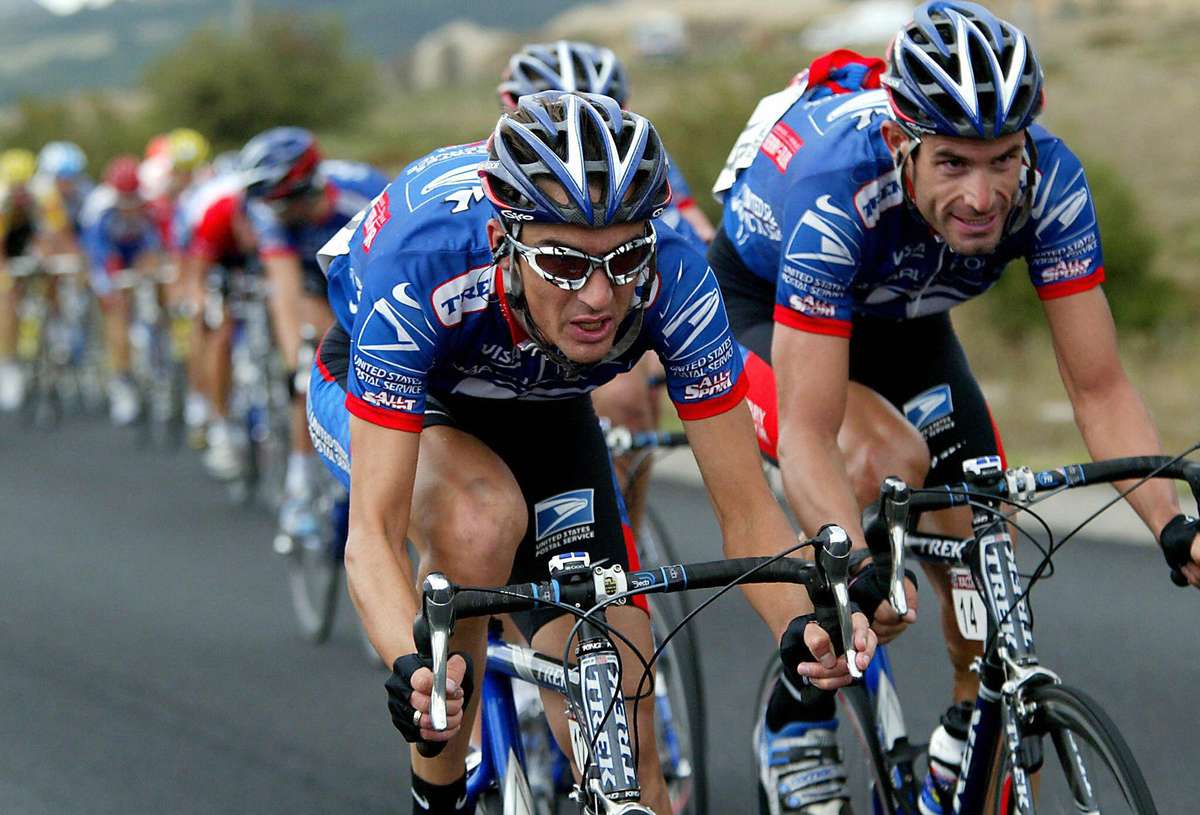
One of a team’s main tactical levers is control of pace and position inside the peloton. Riding at the front protects a leader from crashes and wind, sets tempo on climbs to drop rivals, and can create echelons in crosswinds that fracture the race. By taking turns to lead, pace-line and manage gaps, teams directly influence opponents’ energy expenditure and the stage outcome. Practical control is visible when a team imposes tempo to neutralise attacks or when it reduces the race to a calculated selection under its terms.
Mountains, sprints, and terrain-specific value
Terrain dictates how a team deploys its resources. In the mountains, domestiques pace the leader on key climbs, setting tempo to conserve the leader’s anaerobic reserves and to limit attacks. On flat stages a sprint organisation will protect a sprinter and build a lead-out, while rouleurs and tempo riders shepherd the team through crosswind or breakaway scenarios. The team’s composition of climbers, rouleurs, and support riders determines its tactical versatility: the same squad that can control a high-mountain day may be ill-suited to dominate crosswind echelons or to build a potent sprint train.
Three-week depth and recovery culture
Grand Tours are endurance tests of cumulative fatigue. Successful teams manage rider rotation, targeted expenditure of effort, and recovery so that their protected rider arrives in peak condition for decisive stages. That management includes using domestiques early or late in races to shelter the leader, choosing when to spend resources on control, and preserving depth so the team can respond across multiple difficult days. The ability to ration effort across three weeks is as decisive as raw strength on a single climb.
Pressure, damage limitation, and crisis response
No plan survives unchanged, so resilience is a vital team attribute. When the plan breaks—through a rival attack, bad weather or split in the peloton—strong teams limit losses by reallocating domestique effort, altering tempo, and making fast decisions from the car. Crisis response is not just about chasing; it is about preventing a small gap from becoming a decisive deficit through coordinated pacing, drafting and positional control.
History, memory, and competitive DNA
A team’s past practices and institutional memory shape present behaviour. Long-standing habits—how a team paces climbs, builds a sprint train, or manages its leader—create a competitive DNA that informs decisions inside the car and on the road. That DNA helps staff and riders make consistent choices under pressure and preserves operational coherence across stages and editions.
Why this team structure matters
Ultimately, a Tour de France team is valuable because it can impose a tactical order over three weeks. Collective depth, role clarity, effective race-day control, and prudent energy management turn individual talent into sustained performance. The list of names on a start sheet is only the beginning: the decisive metric is how those riders, guided by directors and unified by purpose, shape the race to the leader’s advantage and respond when the race pushes back.
Author: Cynthia D.