How Lotto Cycling Team Organises Its Tour Presence: Stage Hunting, Targeted…
The Lotto Cycling Team (branded Lotto Dstny in recent seasons) approaches the Tour de France as a platform for targeted ambitions rather than an attempt to match the resource-heavy models of the largest WorldTour armadas. Public communications and team selection patterns make one thing clear: the programme is built around stage hunting, individual opportunities and a pragmatic allocation of resources. That editorial reading explains how a team can be competitive and visible at the Tour without trying to control every kilometre or replicate the continuous, costly dominance of deeper-budget squads.
First reading of the team
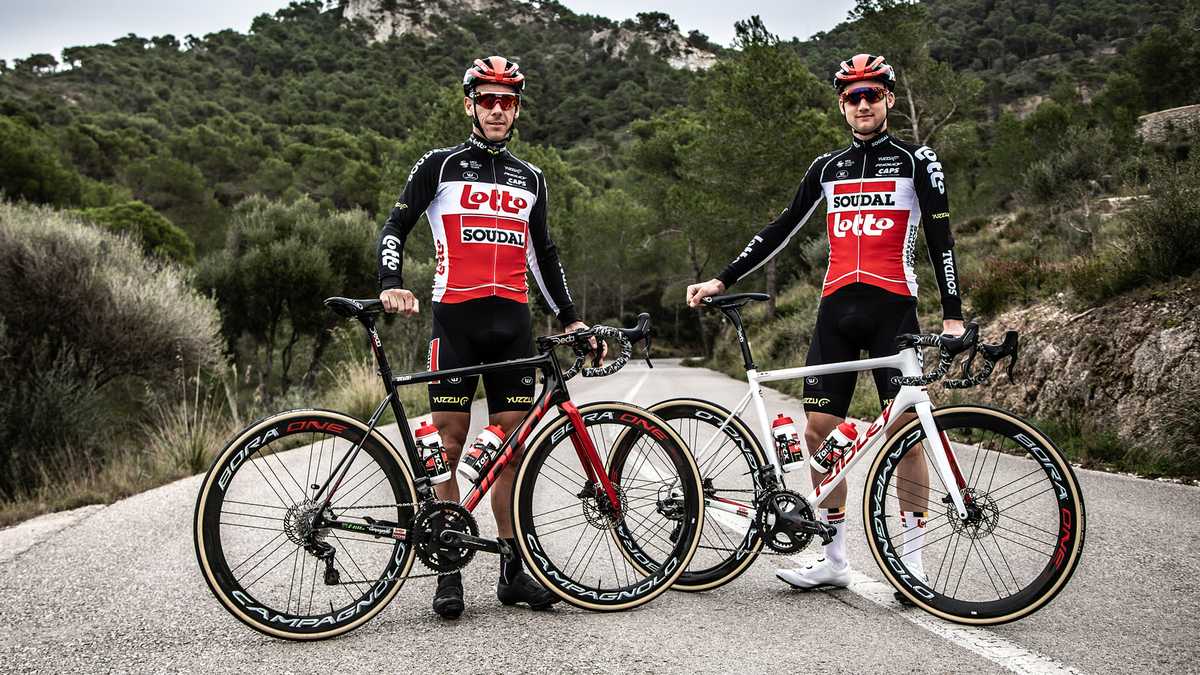
In racing terms, Lotto is most credibly described as a mixed, opportunistic Grand Tour squad. Verified team announcements and race previews show a selection bias toward younger, mixed-experience riders with explicit targets such as stage wins, debuts for emerging sprinters or support for riders with one-day and breakaway ambitions. The public message emphasises realistic, staged objectives: win stages, place riders in breakaways and support individual programmes rather than mounting an all-out general classification (GC) bid.
Leadership, hierarchy, and rider roles
Because the roster is assembled to deliver specific objectives, hierarchy is functional and situational. The leadership structure that emerges from verified sources is geared to serve individual ambitions—young sprinters making their Tour debut, breakaway specialists targeting specific stages, or experienced riders tasked with day-by-day support. That clarity of purpose matters over three weeks: riders know when they are shareable assets for a stage hunt and when the team expects them to protect a designated target.
Peloton control and stage management
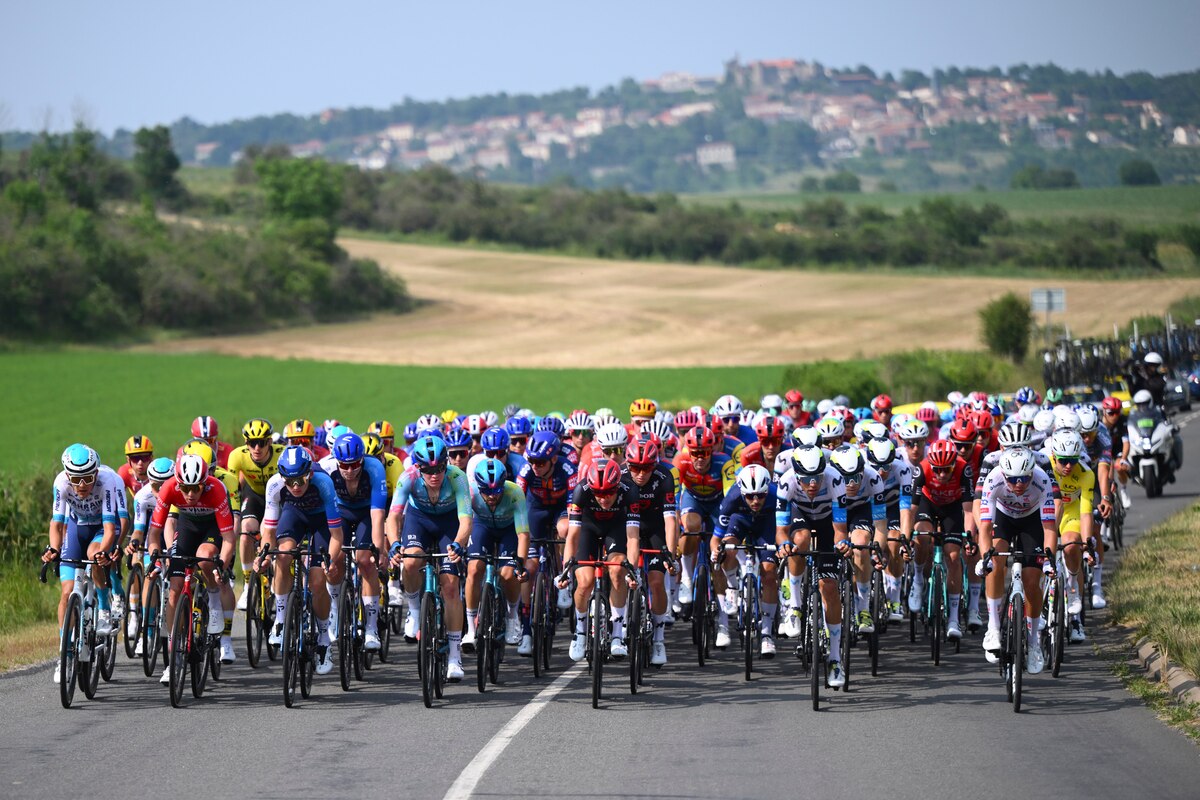
Lotto’s operational model at Grand Tours is not built around continuous peloton control. Verified analyses and team communications show the team chooses targeted interventions: commit resources where they increase the chance of success and avoid the heavy cost of trying to police the race on every intermediate day. Practically this looks like scouting stages for breakaway likelihood, investing manpower to deliver a sprinter or to shepherd a protected rider into an advantageous move, and otherwise conserving energy for stages that match squad objectives.
Mountains, sprints, and terrain-specific value
The squad’s strength is in matching terrain to realistic ambitions. When the route offers breakaway-friendly intermediate stages or sprint opportunities that suit a developing sprinter, Lotto directs effort there. Conversely, the team’s public posture indicates it will not typically allocate the entire roster to mountain policing or long-range GC containment against deeper teams. Instead, mountain efforts tend to be selective: provide pacing or protection for specific riders on days that matter to their individual programs, while pursuing breakaway and stage-target options elsewhere.
Three-week depth and recovery culture
Selection choices—prioritising a mixed and often younger roster, and occasionally skipping other Grand Tours to concentrate preparation—signal a focus on freshness and specific preparation windows. This deliberate scheduling allows Lotto to concentrate resources where they offer the most return: preparing a rider for a Tour debut, targeting particular stages, or peaking for a sequence of opportunities. The strategy accepts that depth differs from the biggest teams but compensates through focused recovery plans and role clarity for each rider across the three weeks.
Pressure, damage limitation, and crisis response
Because the team does not seek to outspend opponents to control every moment, its crisis response is built on pragmatic damage limitation. Verified team statements and race previews show an emphasis on sensible expectations: when plans break, the focus shifts to protecting remaining objectives and reallocating riders to achievable targets rather than attempting heroic, resource-intensive recoveries. That discipline preserves collective energy and keeps stage hunting feasible throughout the race.
History, memory, and competitive DNA
The documented pattern of selection and programme focus—prioritising certain races while skipping others to prepare specific riders—creates a durable competitive DNA. That DNA favours stage hunting, opportunistic breakaways and giving younger riders targeted exposure at the Tour. The approach is repeatable: concentrate on achievable returns, manage the roster across a season to arrive at the Tour with clear goals, and use stages selectively to generate results and visibility.
Why this team matters
Lotto’s operational model illustrates a broader truth about modern Grand Tours: success does not require copying the biggest budgets. By designing a roster and race plan around stage hunting, targeted support and selective use of manpower, a team can sustain three-week relevance without the constant cost of full-race control. That pragmatic efficiency—clear leadership roles, sensible stage reading, and disciplined allocation of effort—makes Lotto an instructive case of how a WorldTour outfit can remain competitive, visible and strategically coherent at the Tour de France.
For race fans and aspiring team managers alike, Lotto demonstrates that tactical clarity and selective investment can create frequent opportunities for success even when the team lacks the locking power of larger armadas.
Author: {Cynthia D.}