We Ride Flanders: why the Flanders cycling universe goes beyond a single race
The Tour of Flanders (Ronde van Vlaanderen) is more than a one-day event: it is a sustained cultural universe in Flanders where cobbled climbs, popular memory and collective celebration meet cycling tourism. This article explains how the professional race, the mass-participation We Ride Flanders and institutions such as the Tour of Flanders Centre together create a durable sporting identity.
Summary
This piece traces the race's origins and its development into a regional cultural asset, shows how cobbled climbs shape visual memory, and explains how mass rides and a museum-centre keep the Ronde alive beyond the single race day.
What you'll learn
- How the Tour of Flanders became central to Flemish cycling identity
- Why cobbles and climbs are core visual markers
- How We Ride Flanders and the Tour of Flanders Centre extend the race's reach
HOW THE RACE BEGAN
Historically rooted events have a way of anchoring regional narratives. The Tour of Flanders dates back to the early 20th century and occupies a long-standing place in Flemish collective memory. Over time the race has been invested with meanings that go beyond sport: it is part of how Flanders understands and markets itself to residents and visitors alike. This historical foundation makes the Ronde a cultural reference point for cycling in the region.
EARLY IDENTITY AND FIRST ERAS
The Tour of Flanders developed an identity tied to the land and to weather-hardened riders often described in terms captured by the regional label 'flandrien.' That figure—a tough, persistent rider able to handle cobbles, wind and cold—became symbolic of a certain Flemish sporting ethos. Over the decades the race's repeated staging and the narratives built around its characters helped crystallise its role in regional identity.
ROUTE LOGIC AND TERRAIN IDENTITY
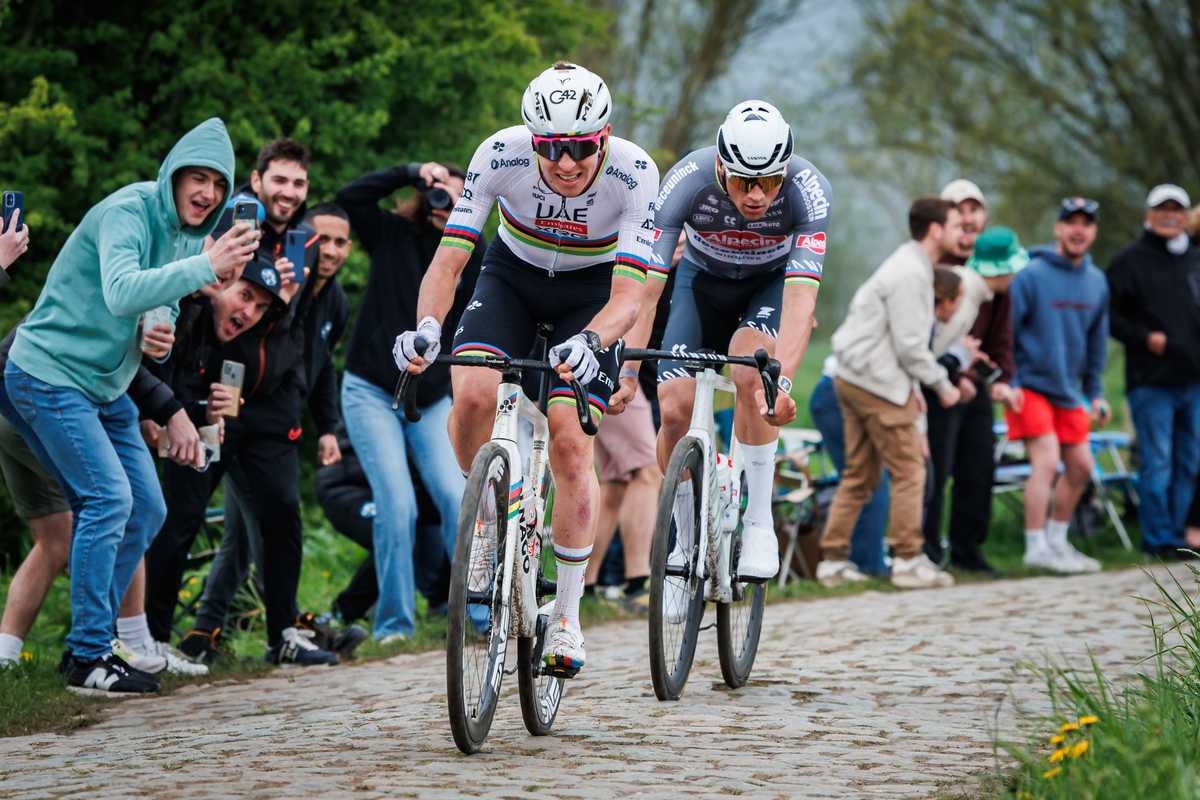
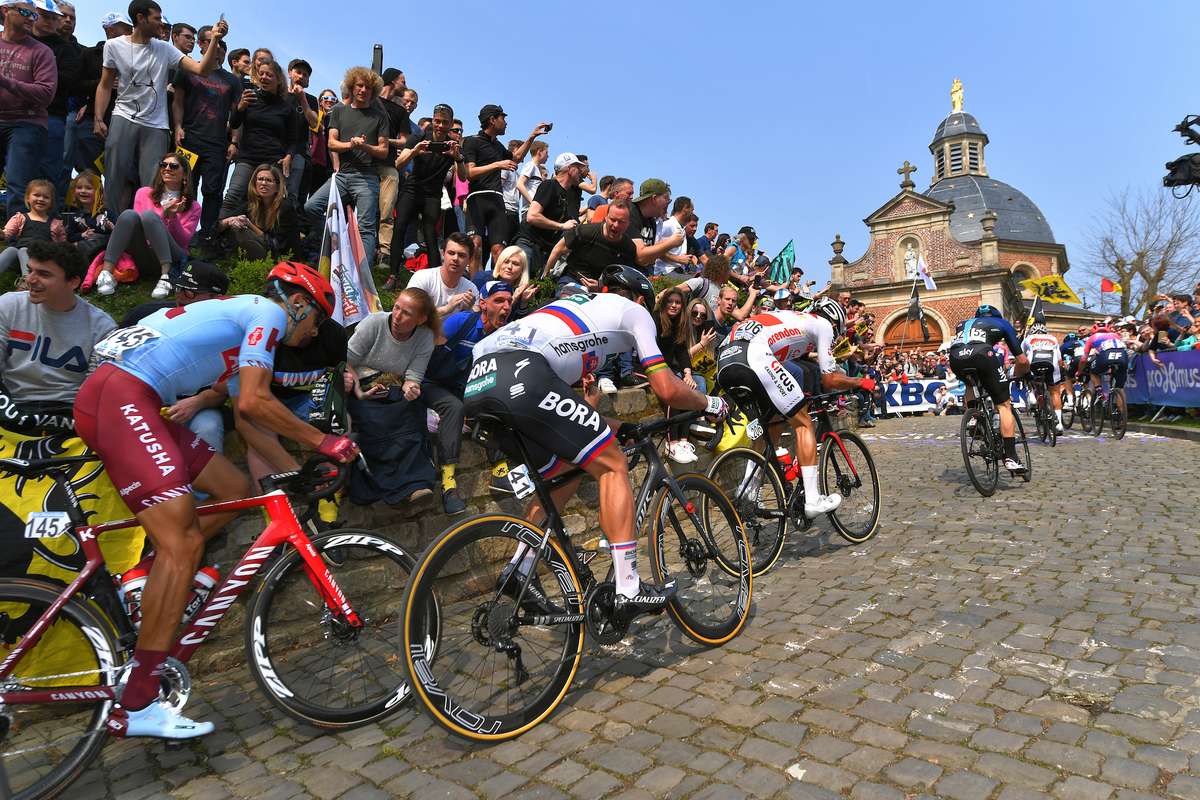
The race's landscape—particularly the cobbled climbs such as Oude Kwaremont, Paterberg and Koppenberg—functions as the event's most recognisable visual and sensory motif. Pavé and short, steep ascents form an identifiable terrain logic: they create decisive, spectacle-driven moments in the professional race, and they supply the imagery that circulates in media, souvenirs and collective memory. These sections are not merely sporting obstacles; they are the race's signature scenes.
ORGANISERS, CITIES, AND INSTITUTIONS
Beyond organisers who stage the professional race, local institutions have translated the Ronde's symbolic capital into enduring visitor experiences. Oudenaarde hosts the Tour of Flanders Centre — an interactive museum and experience dedicated to the race and its history. The centre preserves and presents race images, sensory narratives of cobbles and climbs, and offers a fixed site where the event's memory is curated for both locals and tourists. Such institutionalisation helps the race remain present year-round rather than only on race day.
DEFINING EDITIONS AND HISTORIC MOMENTS
Over its long history the Tour of Flanders accumulated defining moments that deepened its cultural footprint. Those moments are layered into public memory through imagery of climbs, iconic race-day scenes, and recurring narratives about toughness and local pride. The race's chronology and repeated staging are what allow single editions to become reference points in a larger story; this cumulative history fuels tourism, storytelling and local cohesion.
INTERRUPTIONS, CHANGES, AND MODERN TRANSITIONS
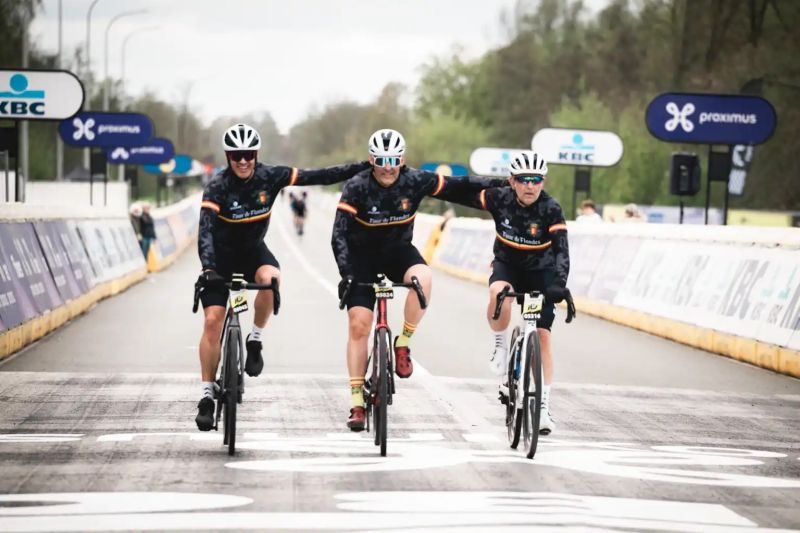
Like many long-running events, the Tour of Flanders and its associated activities have evolved. Modern transitions include the formal linking of mass-participation products to the professional race and an increased emphasis on cycling tourism. Organisers explicitly position rides such as We Ride Flanders as experiential lead-ins to the Ronde, offering recreational cyclists a way to 'ride the Ronde' on the eve of the professional event and thereby extend the race's cultural moment.
WHAT THE RACE MEANS TODAY
Today the Tour of Flanders is simultaneously a top-tier professional classic and a wider cultural platform. The We Ride Flanders mass ride — scheduled by organisers for Saturday 4 April 2026 — demonstrates how the event now functions as a participatory product that links amateur experience with professional spectacle. Academic and management research shows that this leveraging of the race supports local social capital, tourism and regional identity. The combination of evocative terrain, curated memory at the Tour of Flanders Centre, and accessible mass events produces a durable cultural economy around cycling in Flanders.
The Flanders cycling universe persists because it is multi-layered: on race day the professional drama is visible; year-round, museums and mass participatory rides keep the imagery and rituals alive. That persistence shows how a sporting event can be converted into a living cultural asset, sustaining memory, local pride and economic opportunity beyond any single edition.
Author: Eric M.