How Stage 1 Concentrates Splits, Media Pressure and the Fight for Yellow
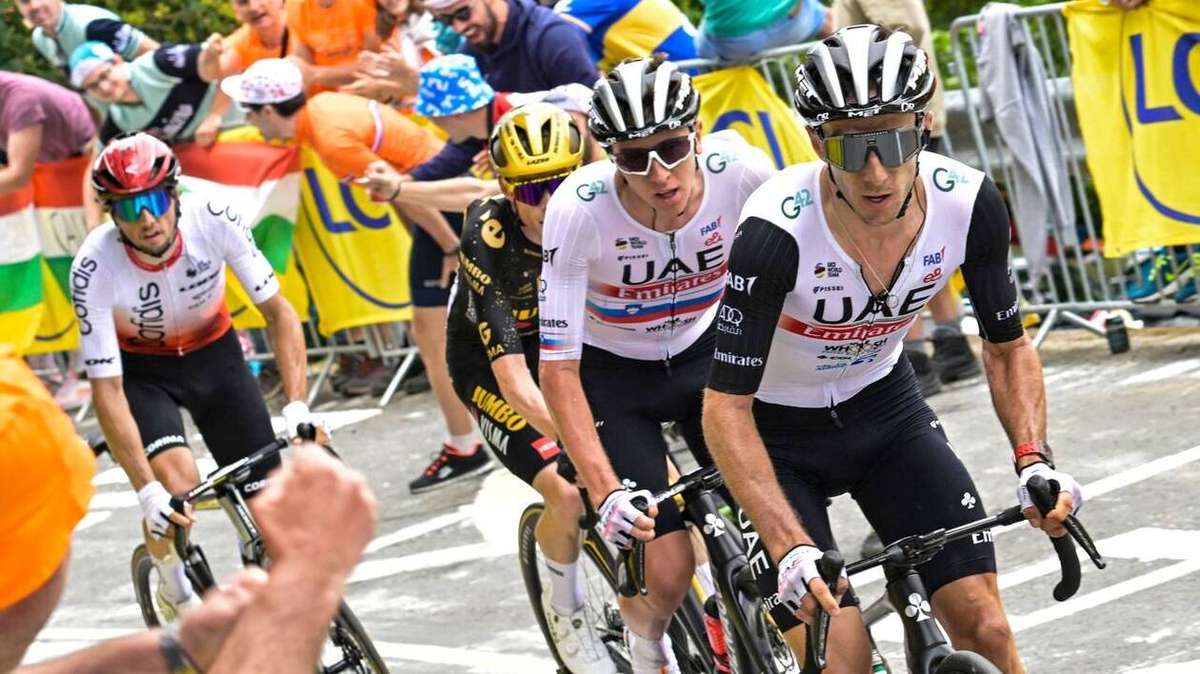
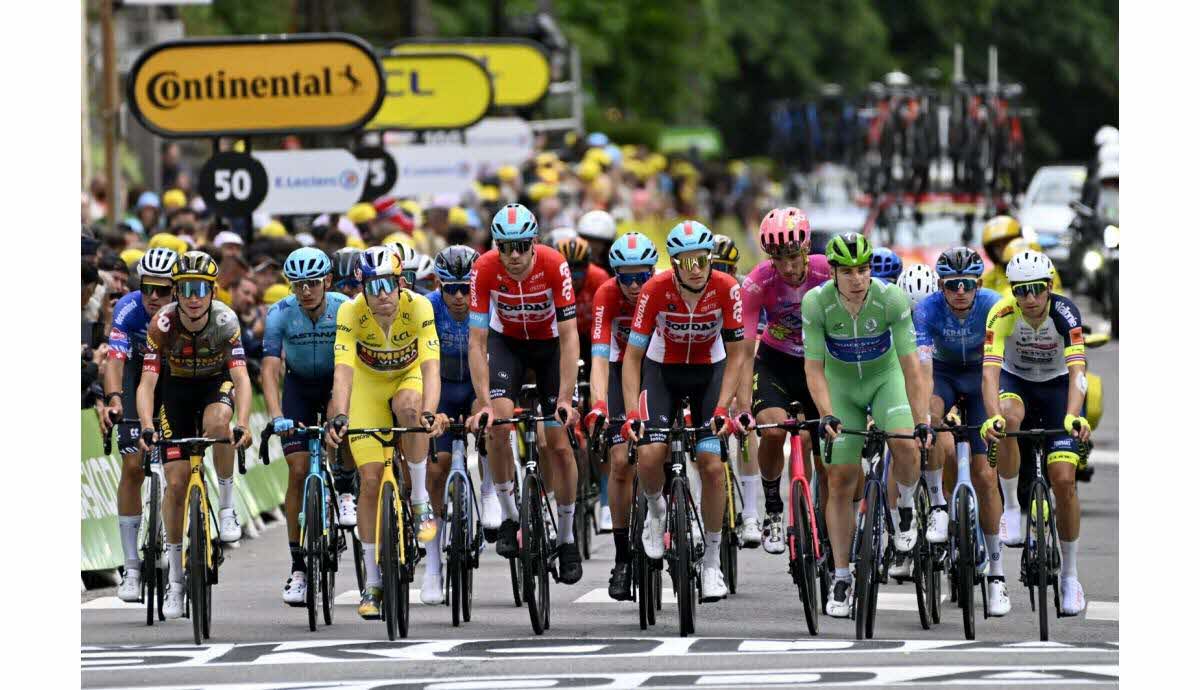
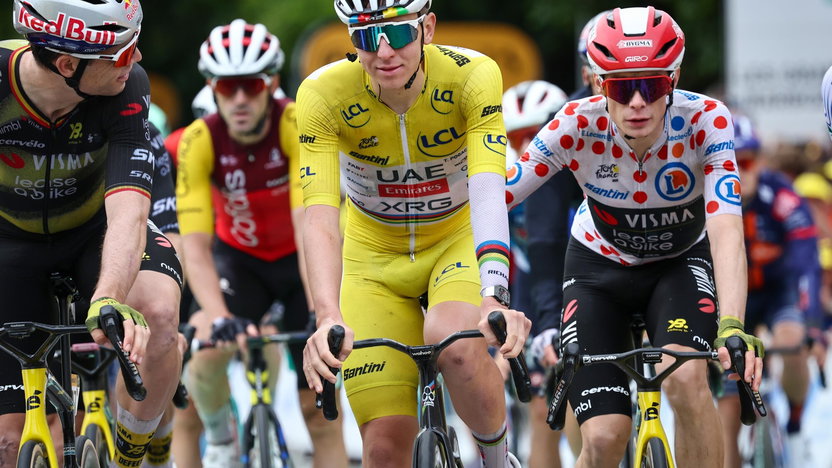
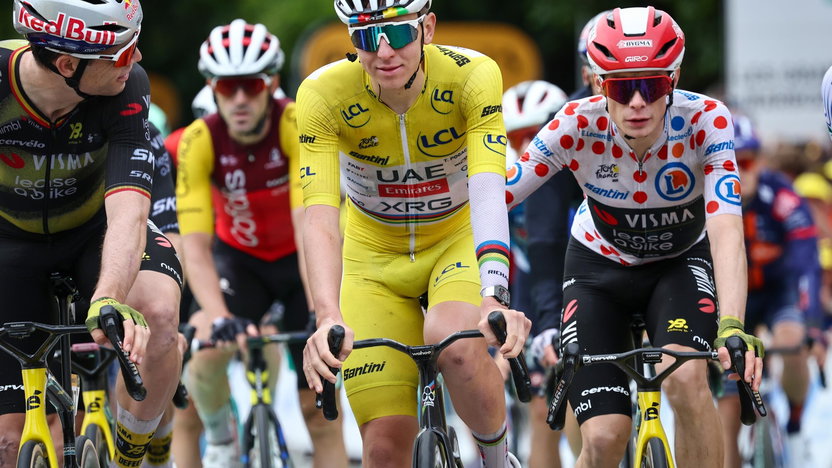
Opening stages of the Tour de France are compact laboratories of risk and theatre: they compress the sport’s physical hazards, team priorities and media intensity into a single day that often sets the tone for the entire race. Stage 1 is where crosswinds, exposed roads, short decisive climbs or a team time trial become instruments that can break the peloton, hand out the first time gaps and put the inaugural maillot jaune on shoulders teams either covet or defend. This article reads the anatomy of a Stage 1 in race terms, explains the visual cues that show where the difficulty sits, and translates route features into concrete tactical consequences for riders and teams.
FIRST READING OF THE STAGE
At first glance a Stage 1 is judged by format: a flat sprint opener, a team time trial, or a short uphill punch finish. Each format immediately signals different priorities. A flat, exposed route telegraphs crosswind danger and sprint-team control; a team time trial points to a disciplined squad fight for yellow; an uphill finish promises an early GC test for punchy climbers. Race writers and viewers look for a few visible markers — long straight coastal sections, narrow urban approaches, profile insets that show late ramps, or the presence of a team time trial strip — to understand where the day will bite.
RHYTHM, SEQUENCE, AND ENERGY FLOW
Stage 1 rarely follows a simple steady-state rhythm. The day’s energy profile is dictated by sequence: early flat kilometres for positioning and nervousness, a middle section where echelons or breaks can form, and a finale that concentrates effort. In a TTT the rhythm is artificial and sustained: constant high power with coordinated turns. In a coastal or exposed road stage the rhythm can snap abruptly when crosswinds hit — one moment everyone rides together, the next the peloton splinters into echelons. When a short uphill finish is present the final kilometres demand a spike in intensity: teams either reel in escapees or start a controlled surge to deliver their punchiest riders to the ramp.
CLIMBS, GRADIENTS, AND SELECTION POINTS
Where the stage actually becomes selective depends on clear route cues. Short, steep ramps near the finish — and profile insets that show gradients and distances to crests — are immediate red flags: repeated 7–10% ramps or final ramps above that create places where pure sprinters are dropped and GC contenders can gain early seconds. Conversely, when there are no classified climbs but the profile shows a tilted finale or a short punch, expect selection through explosive efforts rather than long attrition. The presence of a summit finish or a decisive short climb converts Stage 1 from ceremonial to competitive, rewarding punch and leaving visible time gaps.
DESCENTS, TECHNICAL ROADS, AND ROAD FEEL
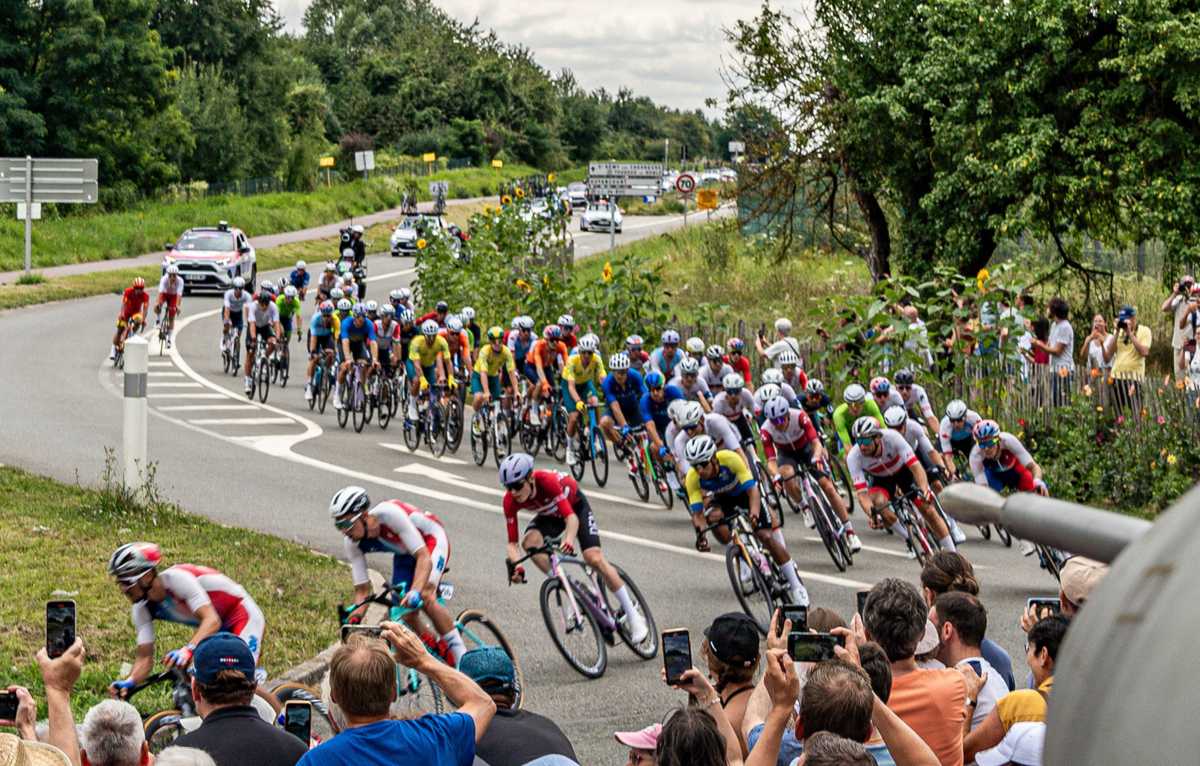
Technical approaches magnify risk. Narrow urban streets, tight roundabouts and fast descents into finish towns force positioning battles and sharpen the consequences of mistakes. Visual cues that matter to riders and commentators include map call-outs for narrow approaches and photos of the final kilometre: a twisting, technical finale amplifies crash risk and rewards those with bike-handling confidence. When the road surface or urban geometry constrains movement, sprint trains can be broken up and opportunists can exploit gaps opened by hesitation.
Narrow coastal bottleneck on stage 1
WIND, EXPOSURE, AND PELOTON FRAGILITY
Crosswinds and exposure are the silent weapons of opening stages. Long straight roads and coastal sectors are the visual markers race analysts use to warn of echelon potential. When wind direction and strength align with an exposed strip, the peloton’s cohesion is at risk: teams with strong rouleurs can drive echelons that create early GC gaps. Weather variables — wind and rain — are routinely cited as decisive because they amplify mechanical and tactical hazards: crosswinds create instant splits; wet roads increase crash probability. For Stage 1 this means that the road’s exposure often trumps pure gradient in deciding who gains or loses time.
BREAKAWAY, GC, OR SPRINT?
Stage 1’s script is determined by format and the visible route anchors. A TTT privileges well-drilled teams and often hands yellow to a rider whose team can control power and transitions. A short uphill finish turns the opening day into a mini-GC showdown and favours punchy climbers who can time their effort on the ramps. Flat, exposed stages sit between breakaway freedom and sprint control: if crosswinds or narrow approaches promise splits, teams with GC ambitions will invest resources to protect leaders, while sprint teams must weigh whether to chase or preserve energy. The tactical tension is therefore not hypothetical: the route’s identity — TTT strip, coastal straight, urban narrowing or final ramp — tells teams which script to pursue.
HISTORY, MEMORY, AND STAGE LEGACY
Historical examples underline the point: when an opening format is decisive it shapes the classification and narrative. Team time trials have produced early yellow jerseys for well-organised squads, while summit finishes used early in a Tour have created instant GC gaps. Races such as those finishing on steep ramps have repeatedly shown how a single climb can become a defining test. These precedents matter because they teach teams how to allocate attention and media energy on Stage 1 — some invest in the chase for the jersey, others prefer to conserve for later battles.
WHY THIS STAGE MATTERS
Stage 1 matters because it concentrates risk, attention and tactical choices into a single day. Visual cues — long exposed stretches, narrow urban approaches, profile insets that reveal late ramps, or the presence of a team time trial strip — let any informed observer immediately locate where the danger or opportunity will be. Tactically, Stage 1 can be decided by echelon attacks in crosswinds, by the collective power of a team in a TTT, or by explosive efforts on short, steep finishes. Those route-determined outcomes set time gaps, hand out the first maillot jaune and, crucially, force teams to reveal intentions early: who will chase, who will protect, and who will take a calculated risk.
The practical takeaway for fans and teams is straightforward: look at the route’s visual anchors and format first — they tell you whether to expect crosswind splits, a team power show, or a punchy uphill selection. Stage 1 is not merely ceremonial; it is a distilled tactical test whose language is written on the profile and the map.
Author: Alex R.
Share this page
Further reading
Continue exploring this topic
Discover related articles selected automatically from the same site.