Pogačar and Paris–Roubaix 2026: How a Superstar Shaped the Race Narrative
Paris–Roubaix is one of cycling's five Monuments: a one-day, cobbled classic that finishes on the Roubaix Velodrome and tests riders on terrain and equipment as much as pure power. The 2026 edition on April 12 attracted exceptional attention because Tadej Pogačar was entered by UAE Team Emirates XRG and his presence shaped pre-race coverage and technical debate.
Summary
This guide explains where Paris–Roubaix sits in the season, what made the 2026 edition notable, how Pogačar's entry influenced attention on team tactics and equipment, and what sporting scenarios the race produced.
WHERE THIS EDITION SITS IN THE CALENDAR
Paris–Roubaix is a spring Monument held in northern France and remains a focal point of the cobbled classics campaign. The 2026 race kept its traditional mid-April slot; the edition took place on April 12 and is a key target for riders whose form and season planning focus on one-day success in the Classics window.
DATES, HOST LOCATIONS, AND EVENT SHAPE
The 2026 Paris–Roubaix followed the established route identity: a start region around Compiègne with the decisive cobbled sectors leading to the Roubaix Velodrome, where the race finished on April 12. As a single-day Monument, its shape is simple but brutal — a long distance with multiple rough sectors that reward positioning, bike handling and resilience.
ROUTE DESIGN AND SPORTING PROFILE
The race’s identity is its cobbled sectors rather than climbs or time-trial kilometres. In 2026 the finish remained the Roubaix Velodrome, preserving the iconic sprint-or-escape finale on the boards. That corridor from Compiègne to Roubaix defines the tactical possibilities: long-range breakaways can persist if the favourites hesitate, while strong finishers can aim to arrive together for a tactical sprint on the velodrome surface.
TEAMS, RIDERS, AND START LIST STORYLINES
Organisers listed Tadej Pogačar as a starter for UAE Team Emirates XRG, and the team presented his entry as a targeted Monument attempt. The confirmed startlist and team announcement made Pogačar a central storyline before the race. Full startlists and team compositions are held on official race pages and timing documents; the confirmed podium for the edition was Wout van Aert first, Tadej Pogačar second and Jasper Stuyven third.
WHY POGAČAR'S PRESENCE MATTERED
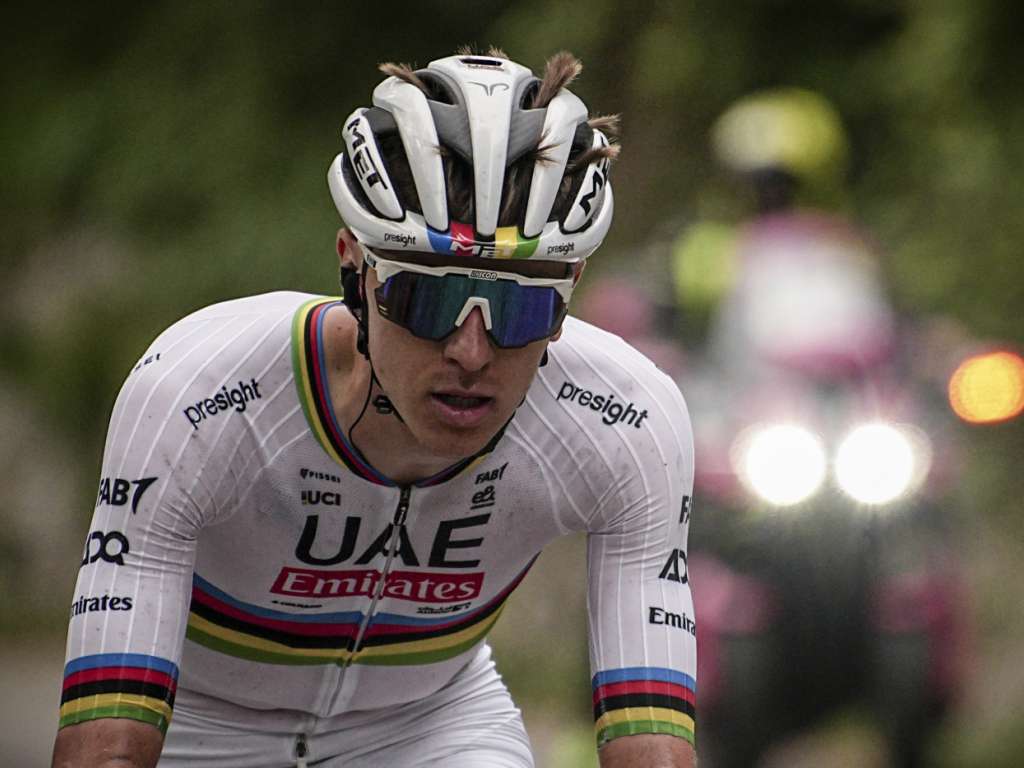
Pogačar’s participation changed both media and technical focus. Reconnaissance pieces, equipment stories and tactical analysis zeroed in on how a general classification and stage-race star would approach Paris–Roubaix. UAE Team Emirates framed his ride as a historical attempt, and technical coverage highlighted choices such as tyre width and drivetrain setup, illustrating how a high-profile entrant draws extra scrutiny to marginal gains and tactical plans.
WHAT MAY HAVE DECIDED THE RACE
The 2026 edition concluded with a decisive sprint on the Roubaix Velodrome where Wout van Aert won and Pogačar finished second. In a race defined by cobbles and positioning, the final kilometre on the velodrome often determines the winner when top favourites arrive together. For this edition, the sprint finish on the boards produced the result confirmed by timing partners and race reports.
RECENT CONTEXT AND WHY THIS EDITION FELT IMPORTANT
Beyond the result, the 2026 Paris–Roubaix gained prominence because major international outlets and the race organisation noted the measurable increase in pre-race attention tied to Pogačar’s entry. Coverage ranged from tactical recon articles to pro-bike technical features, reflecting how a superstar can reframe the conversation around a Monument — not by changing the route, but by concentrating scrutiny on tactics, bike setup and team plans.
PRACTICAL VIEWER GUIDE
For fans watching this type of edition, useful viewing focuses include: the selection points on key cobbled sectors, how teams manage feed zones and mechanical support, and the run-in to the Roubaix Velodrome where sprint positioning becomes decisive. Official timing documents and race pages provide authoritative startlists and classification details.
Author: Cynthia D.