How the General Classification (maillot jaune) Is Built at the Tour de France
The Tour de France general classification (GC) — the race for the maillot jaune — is a cumulative-time competition where every second can alter the outcome. This article explains the concrete mechanics that produce the yellow jersey: timing rules, time bonuses, stage types, team roles and the race-day choices that turn seconds into decisive advantages.
Quick summary
The GC is the sum of each rider's stage times. Time bonuses, finish-group rules, crosswinds and stage profiles create opportunities to gain or lose seconds; team organisation often determines who reaches those opportunities first.
Reader preview
- How cumulative timing and bonuses shape the standings
- Why domestiques and pace-setting matter as much as solo strength
- Which race moments typically create decisive gaps
WHAT KIND OF RACE THIS IS
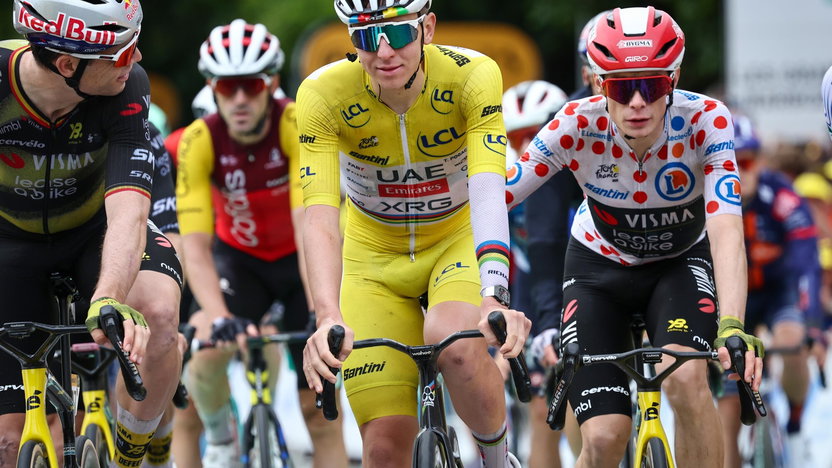
The Tour de France GC is a stage-race classification decided by the lowest cumulative time across all stages; the leader wears the yellow jersey (maillot jaune). Unlike points-based one-day competitions, the Tour aggregates elapsed time, so consistency matters: stage wins help, but saving time — even small amounts — across multiple days is the direct route to overall victory.
RULES, CLASSIFICATIONS, AND TIMING
Official ASO regulations and UCI provisions define how GC is calculated each edition. Stage finishing times are summed for every rider; race organisers may apply time bonuses at stage finishes and sometimes at intermediate sprints. Those bonus seconds reduce a rider's cumulative time and therefore affect the GC directly. The organisers also enforce finish-group timing rules — for instance the 3 km rule or its adjusted forms — that prevent late crashes or mechanicals in the final kilometres from reshaping the GC in mass-sprint finishes.
Because ASO publishes a race-specific rulebook for each edition, the presence, size and placement of time bonuses, and other timing details, are edition-dependent and authoritative only as stated in the official regulations for that year.
HOW A RACE DAY OR RACE WEEK UNFOLDS
Typical race days differ by stage type. Flat stages often see controlled breakaways and a sprinting finale; mountain stages and time trials are where larger GC gaps are normally created. Across a three-week Tour, organisers place decisive terrain — summit finishes, long time trials, or stages exposed to crosswinds — so teams map their objectives and protect their GC interests day by day.
On any given stage the peloton manages pace, chases breakaways, and reacts to attacks. The timing rules and whether bonuses are available change riders’ incentives: if bonus seconds exist at a finish or intermediate sprint, GC contenders or their lieutenants may contest those moments even on days that otherwise suit sprinters.
TEAM TACTICS AND RIDER ROLES
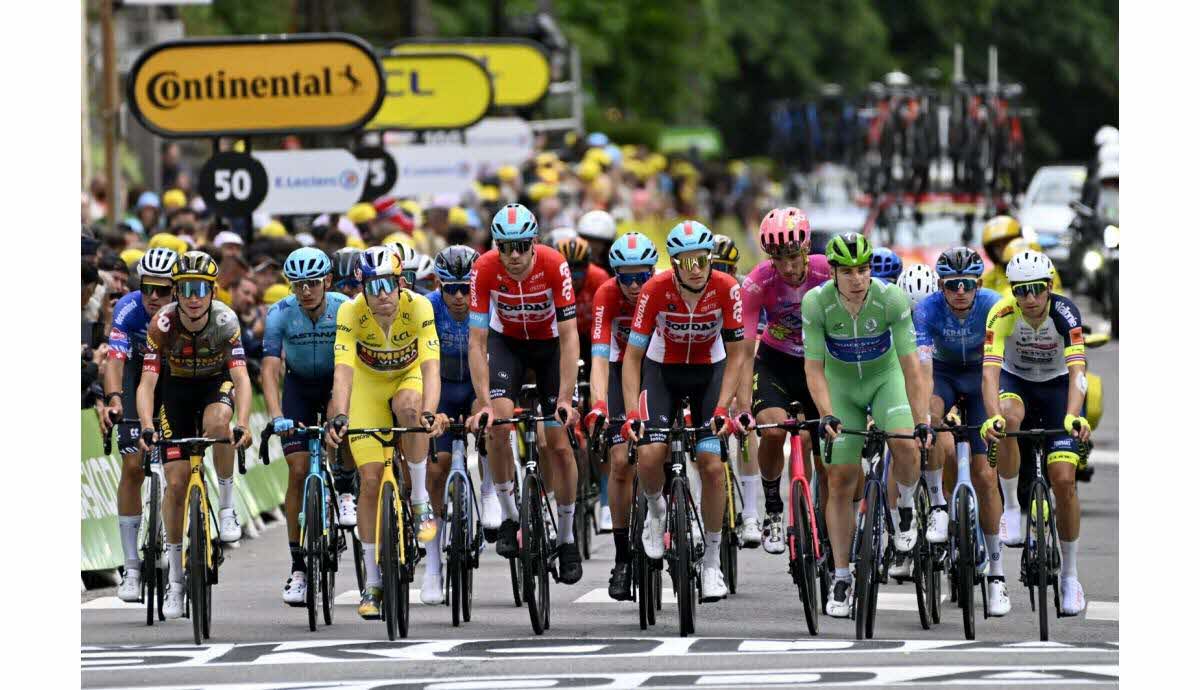
Team organisation underpins GC ambitions. Domestiques shelter the leader from wind, provide food and bottles, chase or control breakaways and set tempo on climbs and flats. A team's ability to control the peloton — to prevent dangerous moves from gaining time or to create echelons in crosswinds — converts collective work into seconds of advantage for the protected rider.
Teams decide when to chase, when to let a breakaway go and when to send a rider into the move. If a breakaway contains no GC threat, teams with a leader high on GC may allow it and conserve energy; if the break contains a rider close enough in cumulative time, those teams must organise a chase to protect the yellow jersey. That choice — to commit resources or not — is the central tactical trade-off in many stages.
TERRAIN, WEATHER, AND DECISION POINTS
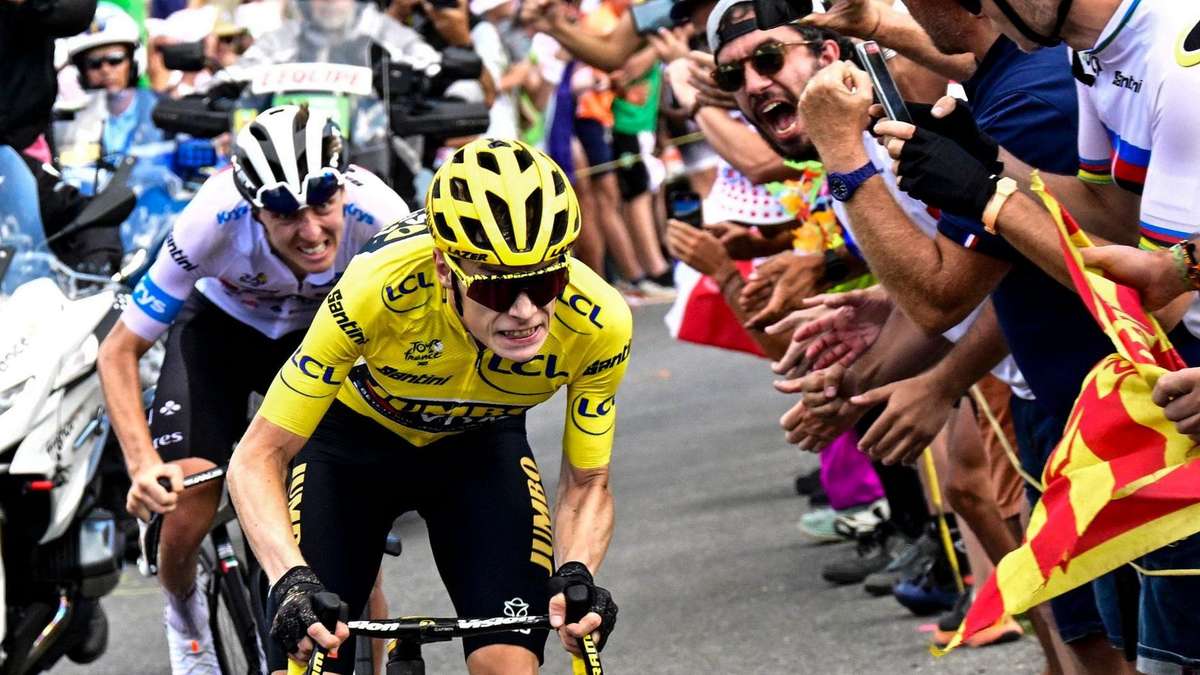
Stage profile shapes where minutes and seconds are won. Individual time trials and mountain stages tend to create the largest gaps: sustained climbs and solo efforts expose riders' differences in pacing, power and endurance. By contrast, crosswind-exposed rolling stages can produce sudden and large time gaps through echelons: a well-timed acceleration or a nervous moment in the peloton can split the race and put minutes on rivals who are caught out.
Weather amplifies these effects. Strong crosswinds raise the value of positioning and teamwork; rain or cold increases the risk of crashes, which is why finish-group timing rules exist to limit GC damage from late incidents in fast finales. These tactical and environmental factors explain why some relatively short or non-mountain stages still become crucial GC days.
FEEDING, ENERGY, AND PHYSICAL MANAGEMENT
Energy management across three weeks is a team and individual discipline. Domestiques deliver food and drinks to the leader so that the protected rider avoids unnecessary exertion. Proper feeding at designated zones preserves glycogen and avoids time losses caused by bonking. Teams also plan effort distribution: when to spend domestique support on controlling a stage versus saving that support for decisive climbs or time trials.
Because cumulative time decides GC, small daily savings in effort — avoiding wind, staying out of splits, taking wheels at the right moment — add up. That is why riders who never win a stage can nonetheless claim the maillot jaune through relentless, efficient riding supported by a disciplined team.
WHAT FANS SHOULD WATCH FOR
To follow the GC intelligently, watch: who is controlling the peloton on key stages; which teams are aggressive in crosswind-prone sections; when bonus seconds are available and which riders contest them; and how time-trial and summit-finish profiles align with contenders’ strengths. Also note finish-group applications: a crash in the final kilometres may not change GC if organisers apply the relevant rule.
Pay attention to seemingly small moves — a half-minute gain on a rolling day, a ten-second sprint bonus, or a well-timed echelon — because over three weeks those seconds often decide the final podium.
WHY THIS RACE WORKS THE WAY IT DOES
The Tour’s GC format — cumulative time with edition-specific bonuses and organiser-managed timing rules — creates a layered competition: individual endurance and power determine how minutes are won in time trials and mountains, while team structure and tactical choices determine how seconds are saved or taken elsewhere. Organisers shape the race by placing terrain and deciding rules; teams respond by allocating resources to defend or attack the yellow jersey. The result is a contest where collective organisation is as decisive as individual strength, and where seconds, not just stage wins, often write the final story.
Author: Alex R.