What is the peloton in cycling? A clear guide to drafting, tactics and the…
The peloton is the large main group of riders that forms during a road race — a tightly packed bunch where riders ride together to save energy and control the race. Understanding the peloton explains much of what you see in the Tour de France: why riders cluster on flats, why teams send helpers to the front, and why breakaways sometimes survive or get reeled in.
Quick summary: The peloton is the energy-saving, decision-making core of a road race. Drafting inside it reduces aerodynamic drag substantially; teams place riders to manage pace, protect leaders, and control which breakaways succeed.
Quick links: Definition • How drafting works • Team strategy • Tour de France context
What the peloton means in road cycling
The peloton is the largest group of riders in a road race. It is a main pack where cyclists ride in close formation rather than singly or in small groups. The peloton exists because riding together gives a clear physical advantage and because teams use it to pursue tactical aims across a stage.
How drafting inside the peloton saves energy
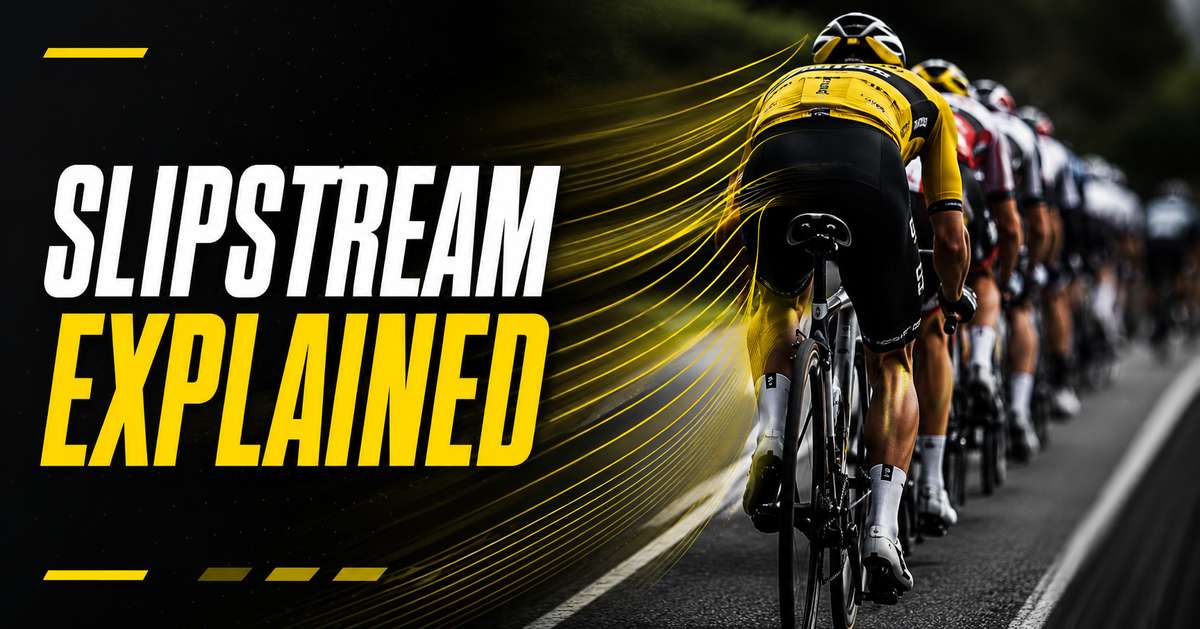
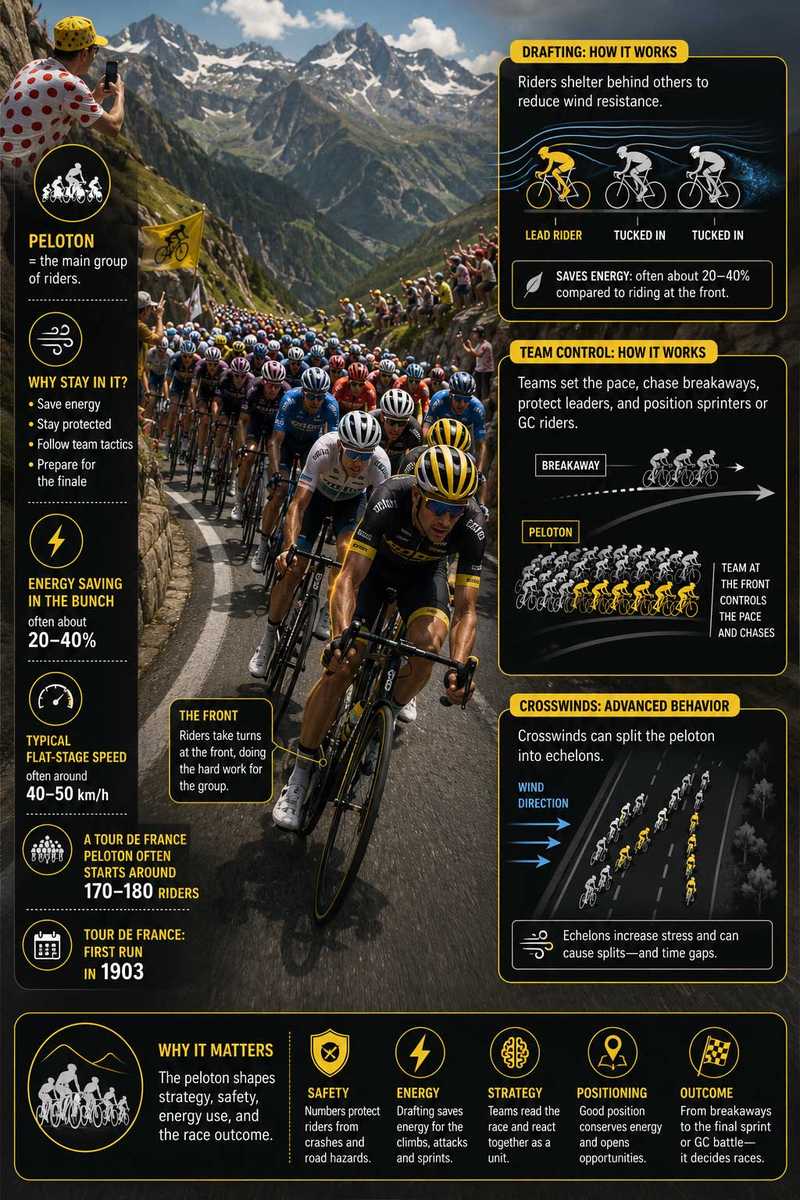
Drafting — riding closely behind another rider — reduces aerodynamic drag and therefore the power a rider must produce to maintain speed. Scientific and CFD studies show that spacing, speed, rider size and formation all influence drag reduction. Even following a single rider can cut required power by measurable percentages, and sheltering inside a larger group or peloton yields greater savings.
Research summaries note that the benefits of drafting persist across different terrains: while the magnitude can change on climbs or in turns, being sheltered by other riders still reduces the energy cost compared with riding alone.
Why riders stay in the peloton
Riders remain in the peloton primarily to conserve energy. Drafting lets them recover during long stages and save power for decisive moments — final climbs, sprint finales, or time-trial efforts. Staying in the group also preserves position, protects leaders from wind and crashes, and keeps riders ready to respond to attacks or join a sprint lead-out.
Beyond physical saving, the peloton provides a tactical safety net: being in the main bunch reduces the chance of losing large time gaps to rivals and keeps opportunities open for teams that want to control the race outcome.
How teams control and use the peloton
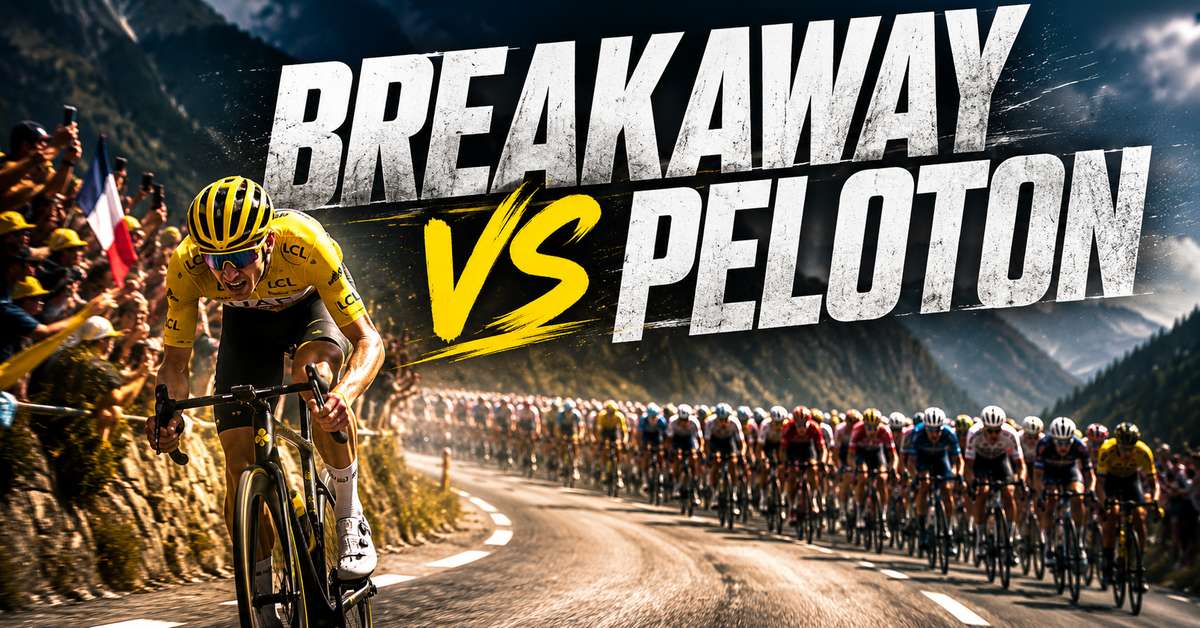
Teams place domestiques — support riders — at the front of the peloton to set tempo, chase or disrupt breakaways, and form lead-out trains for sprinters. By supplying riders to control pace, a team can protect its GC leader from wind, keep the bunch together, or make a planned breakaway less likely to succeed.
Controlling the peloton is central to stage-race strategy: teams that shape the pace decide which moves are dangerous, which breakaways live, and when to force hard work onto rivals. Teams also use the peloton to shield leaders from incidents and to conserve their own leader's energy for critical stages.
External factors that affect the peloton
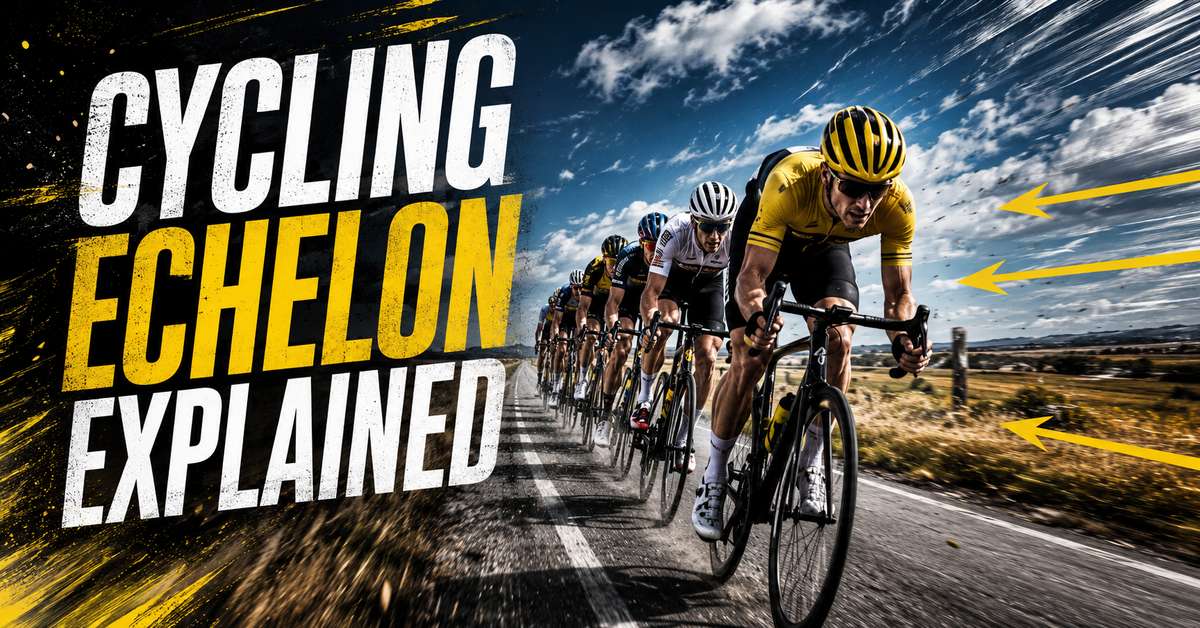
Vehicles and race motorcycles in the convoy can unintentionally influence the peloton by providing external shelter or causing turbulence; this has caused controversy in professional racing. Weather (especially crosswinds) and terrain also change peloton behaviour — echelons can form under crosswind, and tight climbs or descents compress or stretch the group, altering drafting opportunities.
Why the peloton is central to the Tour de France
In a three-week race like the Tour de France, conserving energy day after day is decisive. The peloton is where teams manage those savings and where stage outcomes are shaped. Controlling the peloton over flat, hilly and mountain stages lets teams defend a general classification leader, set up sprint finishes with lead-out trains, and decide which breakaways the bunch will allow to go clear.
Because the Tour combines many stage types, the peloton’s role constantly shifts: sometimes it is passive and conserving energy, sometimes it is an active tool used to pressure rivals or protect a jersey wearer. Over the whole race, the cumulative energy saved by riding in the peloton is a fundamental factor in who contests the final GC positions.
A fan’s guide: what to watch for on screen
Watch the front of the peloton for pacing changes and for which teams are contributing riders — that often signals who is controlling the day. Notice when a peloton stretches in crosswinds (echelons) or fragments on climbs; those moments create time gaps. In sprint stages, look for organized lead-out trains forming inside the peloton as teams position their sprinters for the final kilometres.
Closing interpretation
The peloton is both a physical and tactical organism: it saves riders power through drafting and acts as the arena where teams wage their strategic battle. Understanding how drafting works, why riders stay in the bunch, and how teams use domestiques to control tempo helps explain almost every key moment you see in the Tour de France — from a sudden echelon to a perfectly timed sprint.
Author: Eric M.