How Sky Pro Cycling Built a Recognisable Tour de France Identity
Sky Pro Cycling (the organisation widely discussed under the Team Sky / Team INEOS lineage) became synonymous with control, preparation and a data-first approach at the Tour de France. This piece examines the team as an operational model rather than a bicycle marque: how recruitment choices, the mountain-train tactic, effort management and an obsessive focus on small performance gains produced an immediately recognisable racing identity.
Editorial summary
Sky Pro Cycling combined an explicit marginal‑gains philosophy, a specialist performance staff and targeted recruitment to control stages—especially in the mountains—creating a distinctive Tour de France presence that reshaped expectations about team preparation and race control.
What you will learn here
- How the marginal‑gains approach defined operational priorities.
- Why recruitment and specialised support staff mattered as much as equipment.
- How the mountain‑train tactic and in‑race effort management created a recognisable identity at the Tour.
How the approach began: marginal gains and a performance staff
Sky Pro Cycling publicly adopted the "aggregation of marginal gains" as a core performance philosophy under performance leadership credited in contemporary reporting. That concept—systematically finding many small improvements across equipment, preparation, recovery and tactics—was presented to the media as central to the team’s early success at the Tour de France.
To operationalise marginal gains the organisation assembled a multidisciplinary performance staff. Journalistic profiles and technical features described sport scientists, performance analysts and marginal‑gains specialists working alongside coaching staff to gather and interpret physiological and power data. This staffing model turned abstract ideas about small improvements into day‑to‑day decisions about training, kit and race tactics.
Recruitment: building a squad to execute a plan
Recruitment was deliberately tactical. Reporting and analysis indicate the team targeted specific rider profiles—domestiques, climbers, GC leaders and time‑trial specialists—and used data and scouting to identify signings that fit those roles. The recruitment strategy aimed to construct a roster capable of executing a unified race plan rather than assembling a disparate collection of individual talents.
This roster logic made the team less about single heroic moves and more about reproducible systems: riders were chosen for how well they could deliver tempo, protect a leader or execute precise supports in key moments of Grand Tours.
The mountain train and in-race effort management
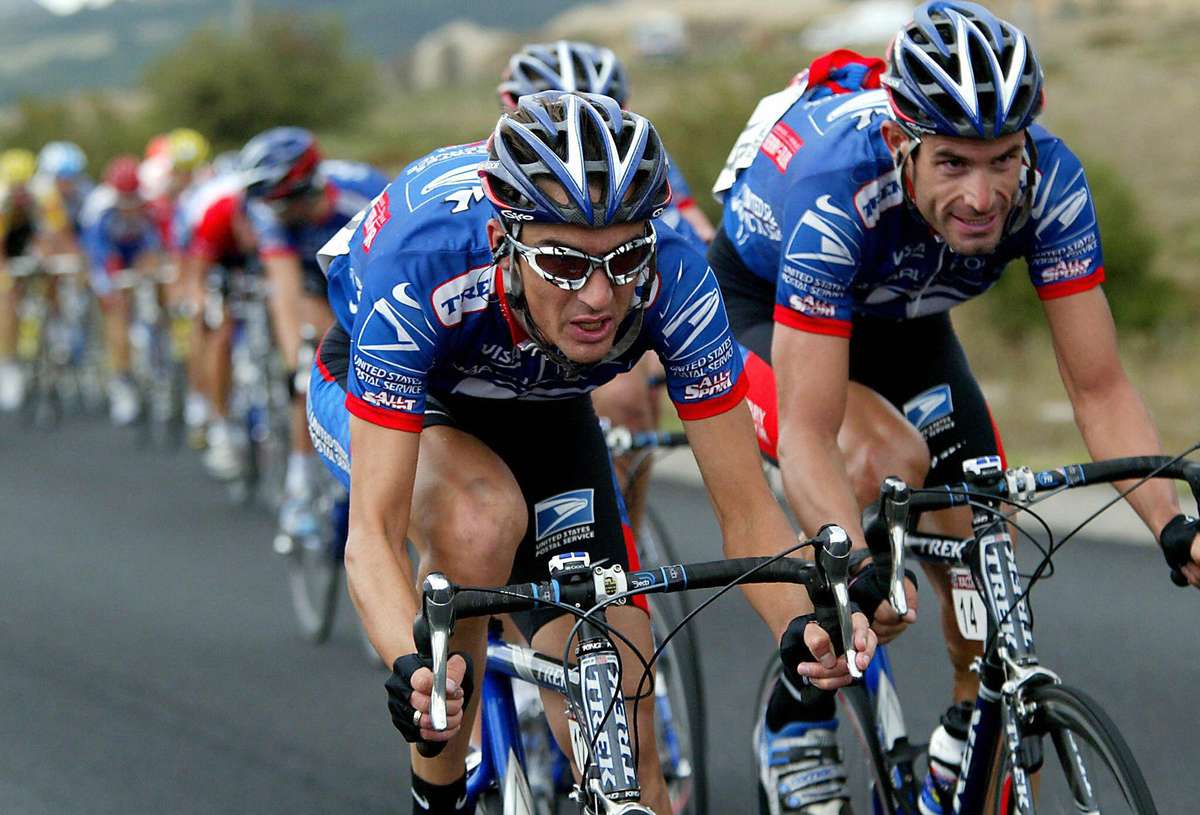
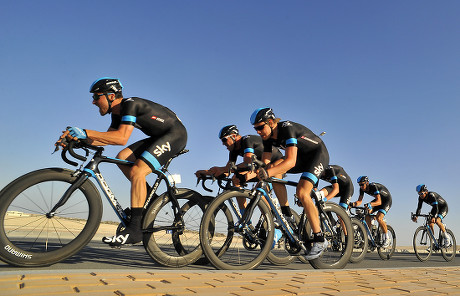
One of the most visible tactical expressions of the organisation’s philosophy was the so‑called "mountain train": a deliberate tactic where strong domestiques set a controlled tempo on climbs to protect and deliver the GC leader. Academic analysis and contemporary reporting described this in‑race behaviour as a defining, recognisable pattern at the Tour de France.
That approach required precise management of effort. The team relied on physiological monitoring—power curves, training load and recovery metrics—to plan who would ride where, how hard they should push and when to conserve energy. In short, tactical control on the road was underpinned by off‑road measurement and planning.
Data culture and technology in the convoy
Wired and other outlets detailed how the team integrated mobile analytics and data tools into race operations. Analysts and devices were reported as part of the race convoy, providing near‑real‑time information to inform race tactics and rider management. The organisation’s emphasis on physiological monitoring extended to sleep and recovery practices and bespoke marginal gains interventions.
Collecting data was not an end in itself: it fed selection decisions, training plans and on‑course tactics, allowing staff to make evidence‑based choices under race pressure.
When it mattered most: Tour de France visibility
The combination of targeted recruitment, a performance staff and mountain‑train tactics produced sustained visibility at the Tour de France. Contemporary reporting credited this operational model with producing consistent control during stages and with helping the organisation secure multiple overall successes over the decade. That visibility also shaped how rivals and observers expected elite teams to prepare and race.
What made the organisation distinct
Three features distinguished Sky Pro Cycling’s model: an explicitly stated marginal‑gains doctrine, a deep investment in performance analytics and a tactical willingness to control races via sustained tempo. Taken together, these elements produced a predictable, controllable race style rather than an opportunistic one—an identity easily recognised by commentators and competitors alike.
Legacy, debate and scrutiny
The organisation’s model influenced how professional teams allocate staff and measure performance, but its legacy is not unambiguous. Media and parliamentary coverage documented scrutiny and controversy over associated medical practices, prompting wider debate about governance and transparency in high‑performance cycling. That scrutiny has become part of the story when assessing the model’s long‑term impact.
Why this history still matters
Sky Pro Cycling’s operational experiment matters because it reframed success as a systems problem rather than a collection of fortunate riders. Teams that followed adjusted hiring, analytics and race tactics to incorporate aspects of the model. For readers interested in race‑bike heritage, the lesson is organisational: the most enduring changes in modern Grand Tour racing have often come from how teams structure preparation and decision‑making, not only from incremental bike or component advances.
Author: Alex R.